Rock Busting and Site Prep for a New Retaining Wall
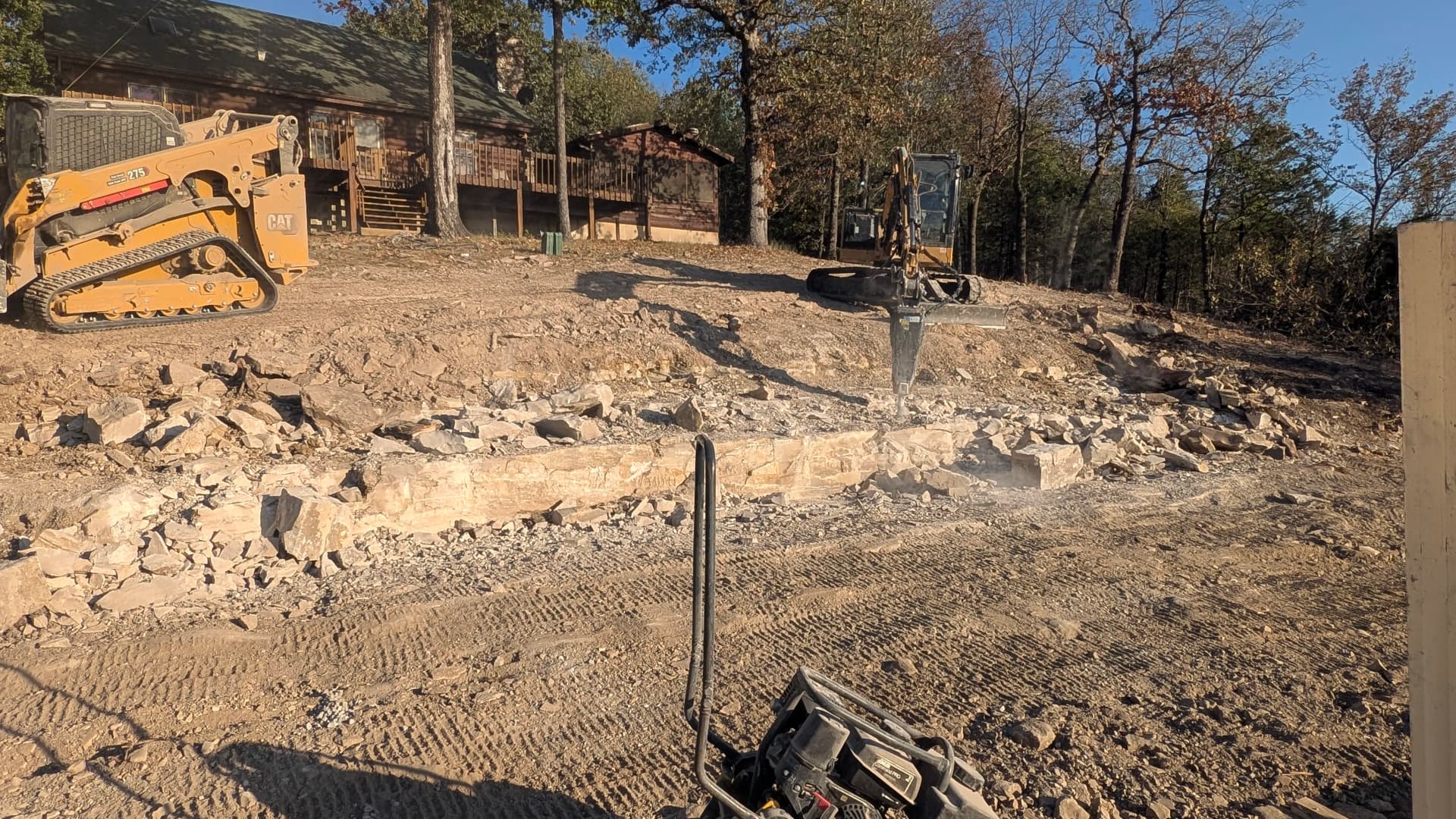
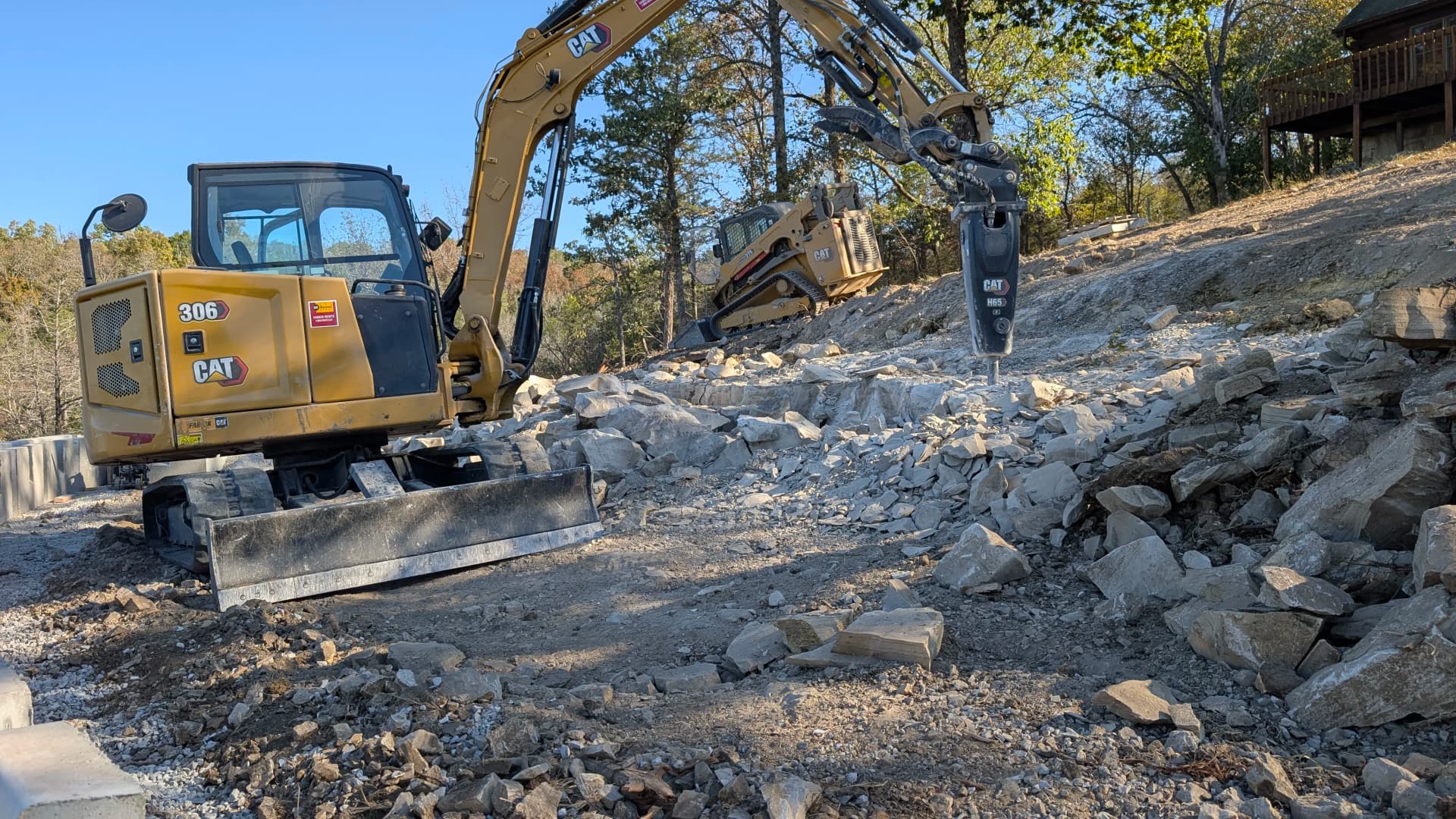
Some yards don't give you a clean slate. They give you solid rock. That's exactly what we were dealing with on this one - a sloped, rocky hillside that needed to be cleared and prepped before a new retaining wall could go in.
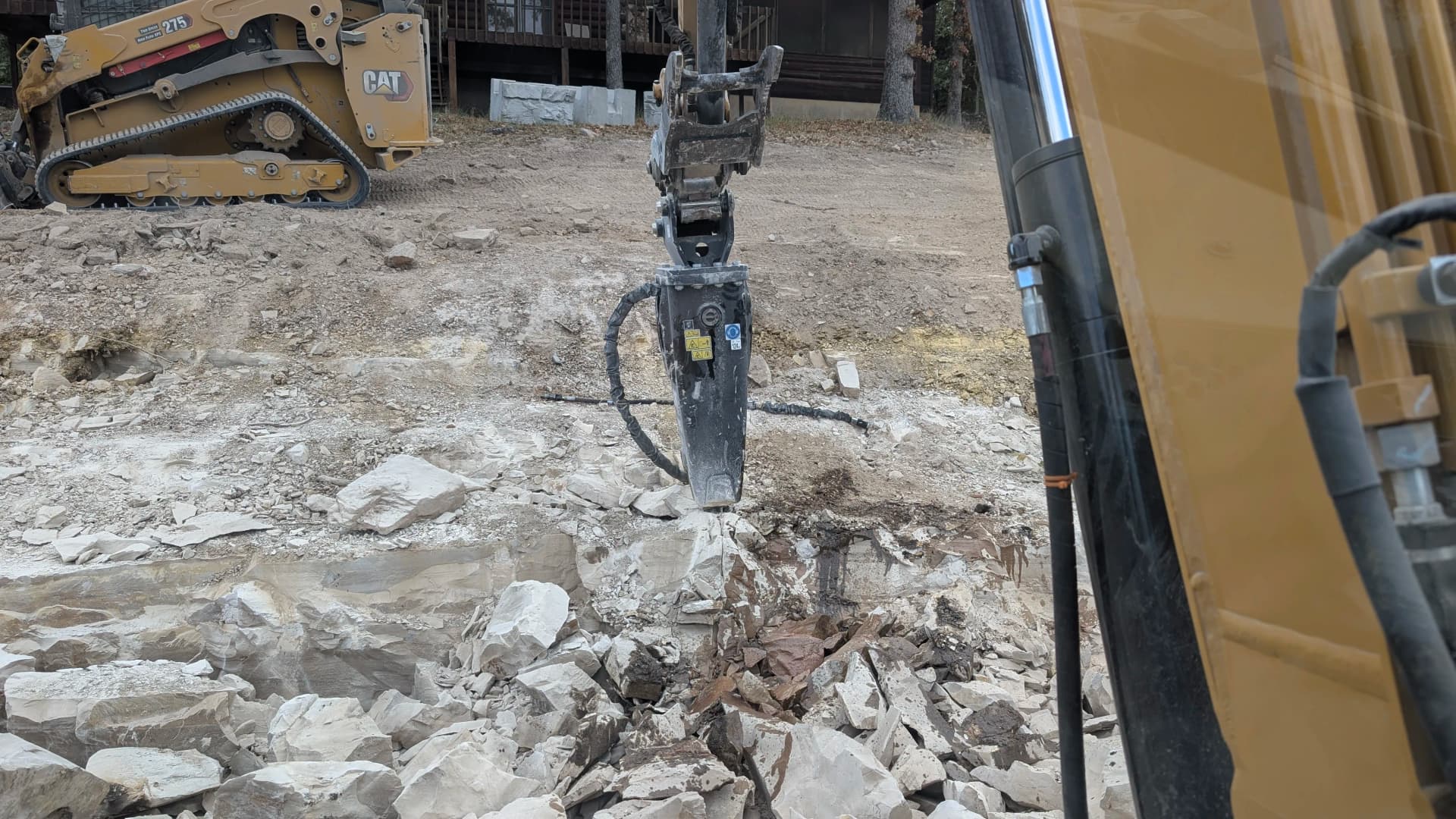
We ran two machines on this - a CAT 306 mini excavator fitted with a hydraulic hammer attachment and a CAT 275 track loader working alongside it. The hammer does the heavy lifting when it comes to breaking up bedrock. It drives down into the stone, fractures it, and then we move in to clear the broken material out. It's slow, methodical work - but it's the right way to do it when you're dealing with this kind of ground.
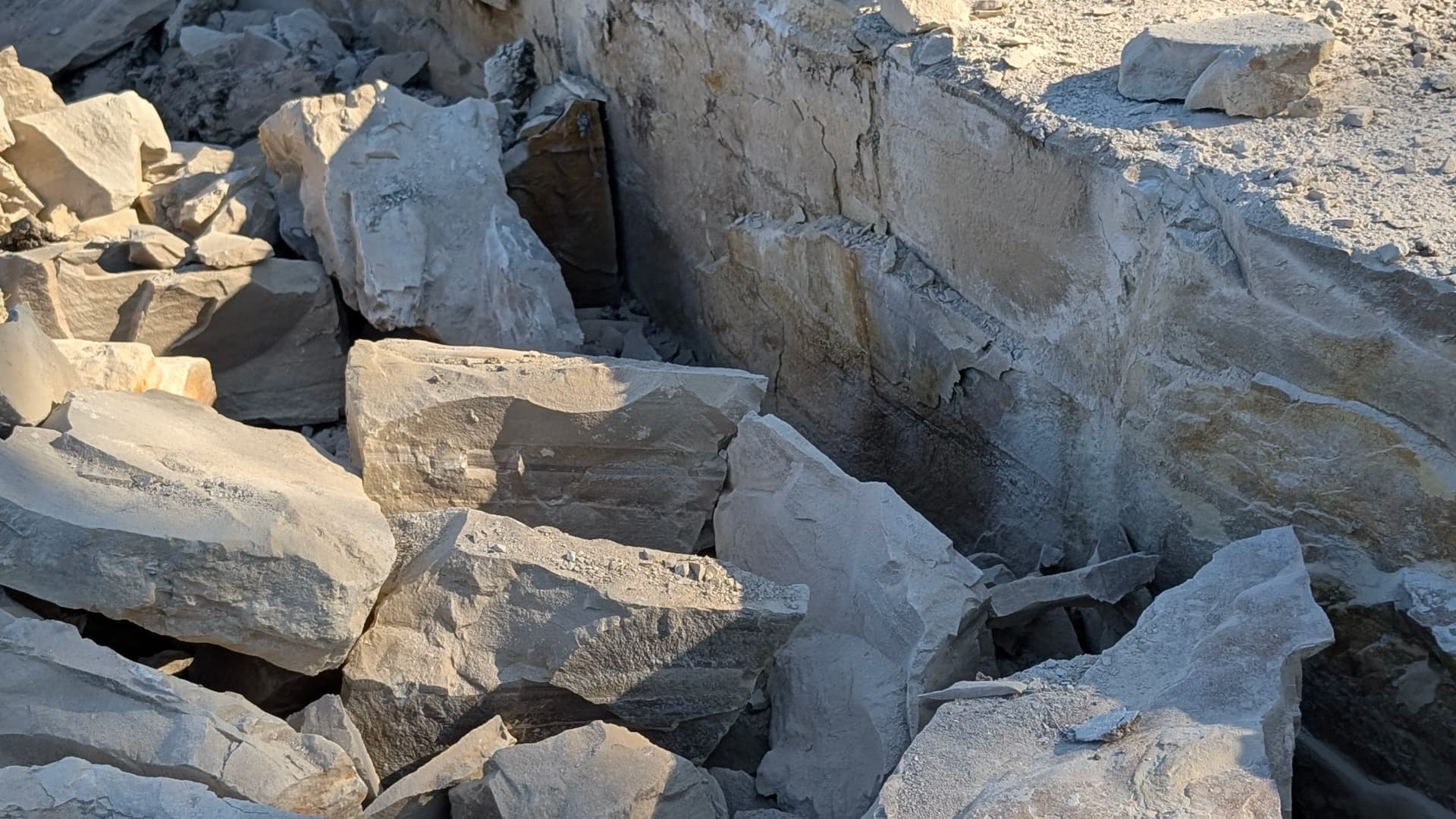
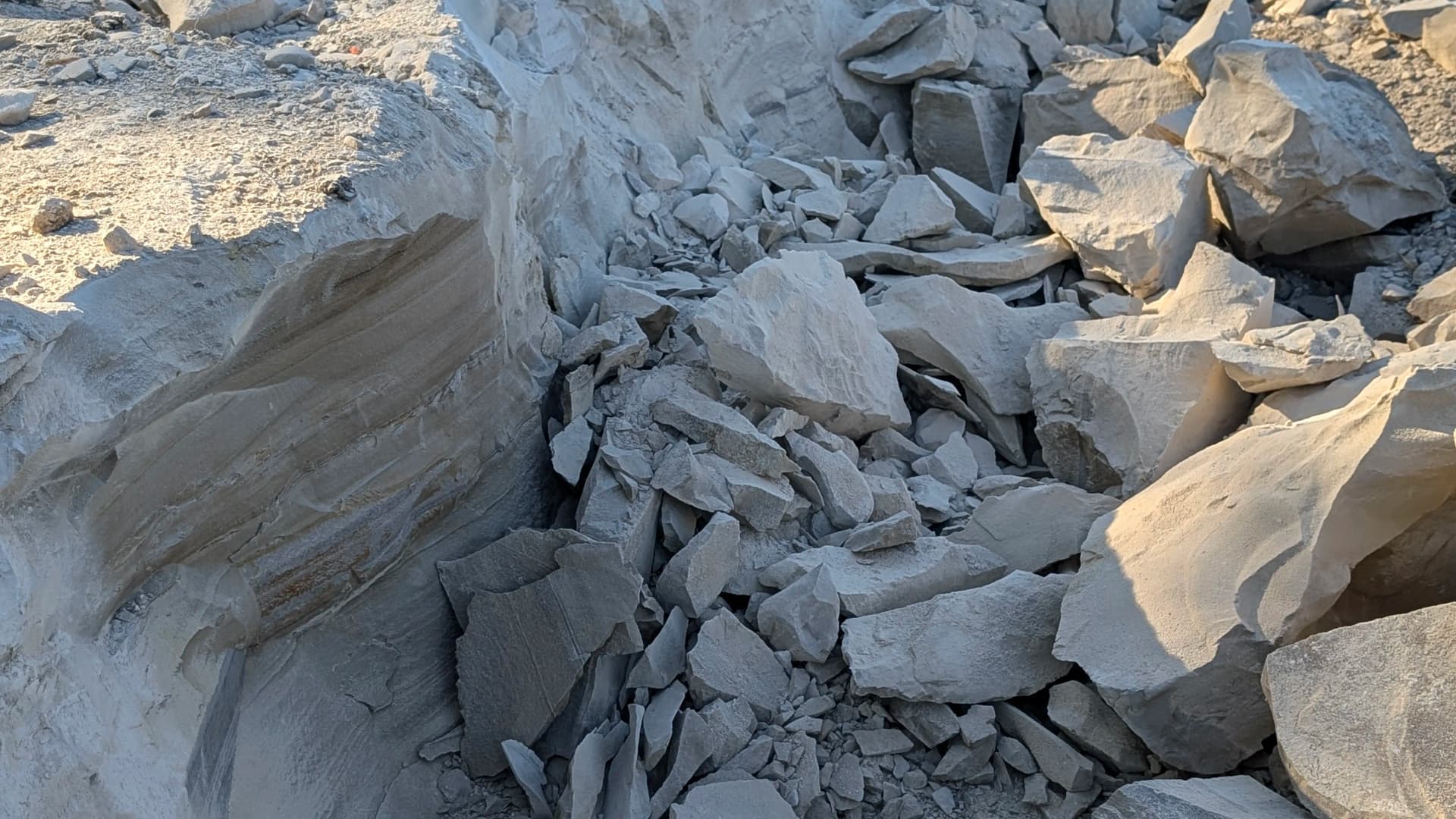
Rock like this doesn't move with a standard bucket. You have to break it first, then relocate it. The close-up shots show just how thick and layered the stone is once you get into it - big flat slabs stacked on top of each other, cracked apart by the hammer. Getting all of that out of the way is what makes the final retaining wall solid and built to last.
This is the part of the job most people don't see - the demolition and site preparation work that happens before anything looks good. But it's the most important part. A retaining wall is only as strong as the ground it's built on, and that ground has to be properly cleared and graded first. We don't skip steps.
Watching a yard like this slowly get shaped into something usable is genuinely satisfying. It goes from a rocky hillside that nobody knows what to do with to a properly terraced space that can actually be built on and enjoyed. That process starts with the right equipment and the right approach to demolition.