Ledgerock Removal and Driveway Installation in Norwood
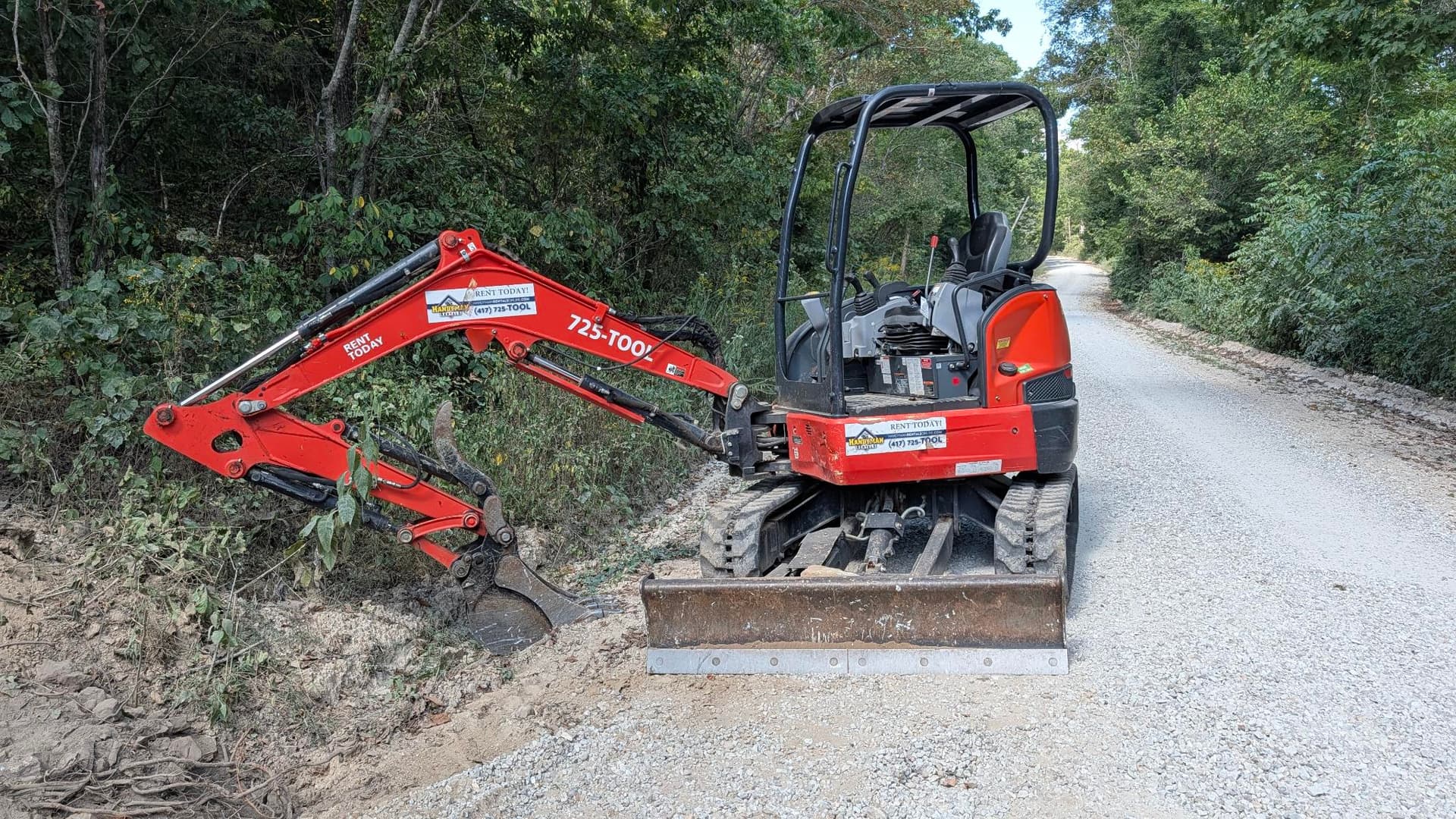
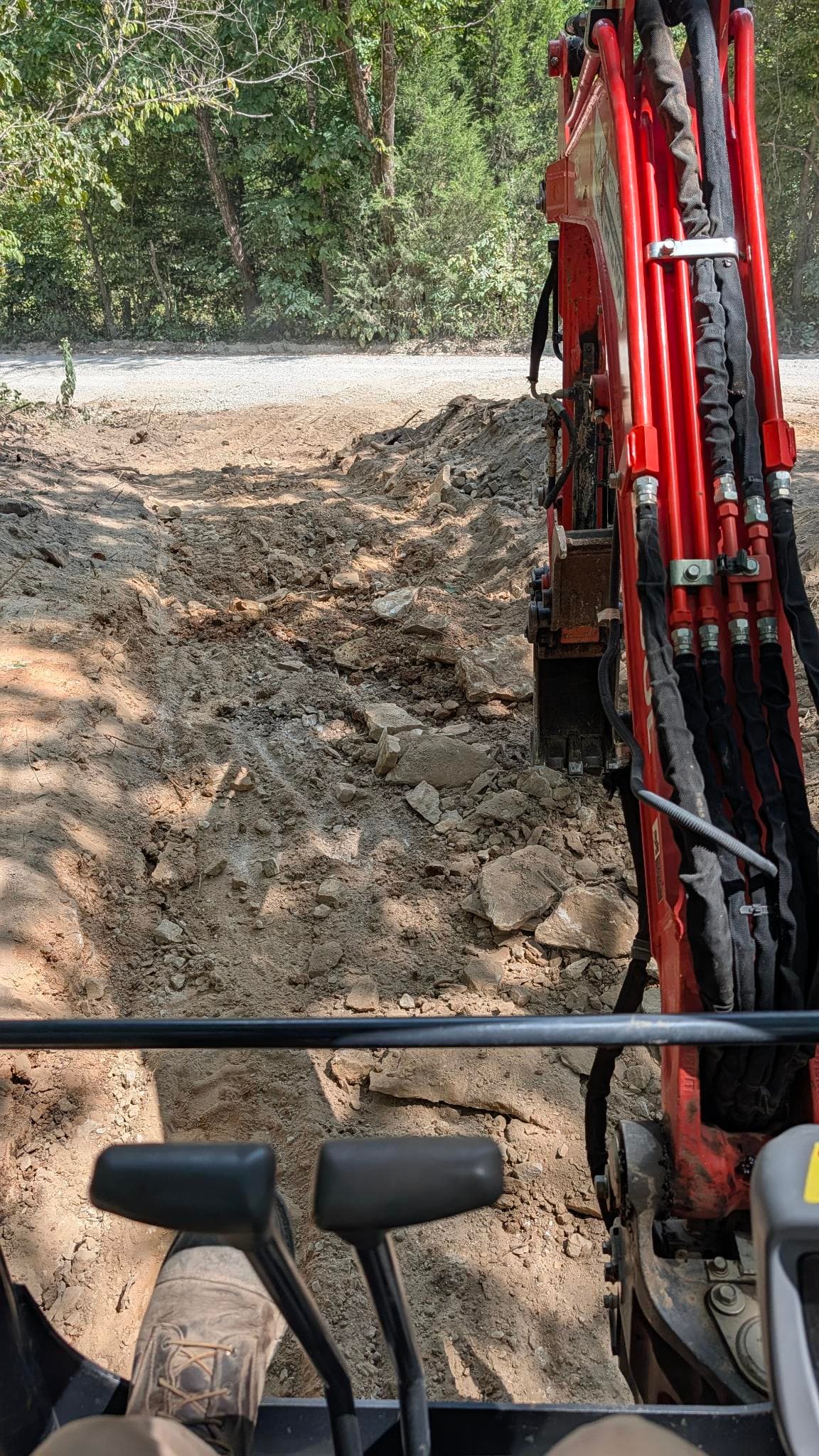
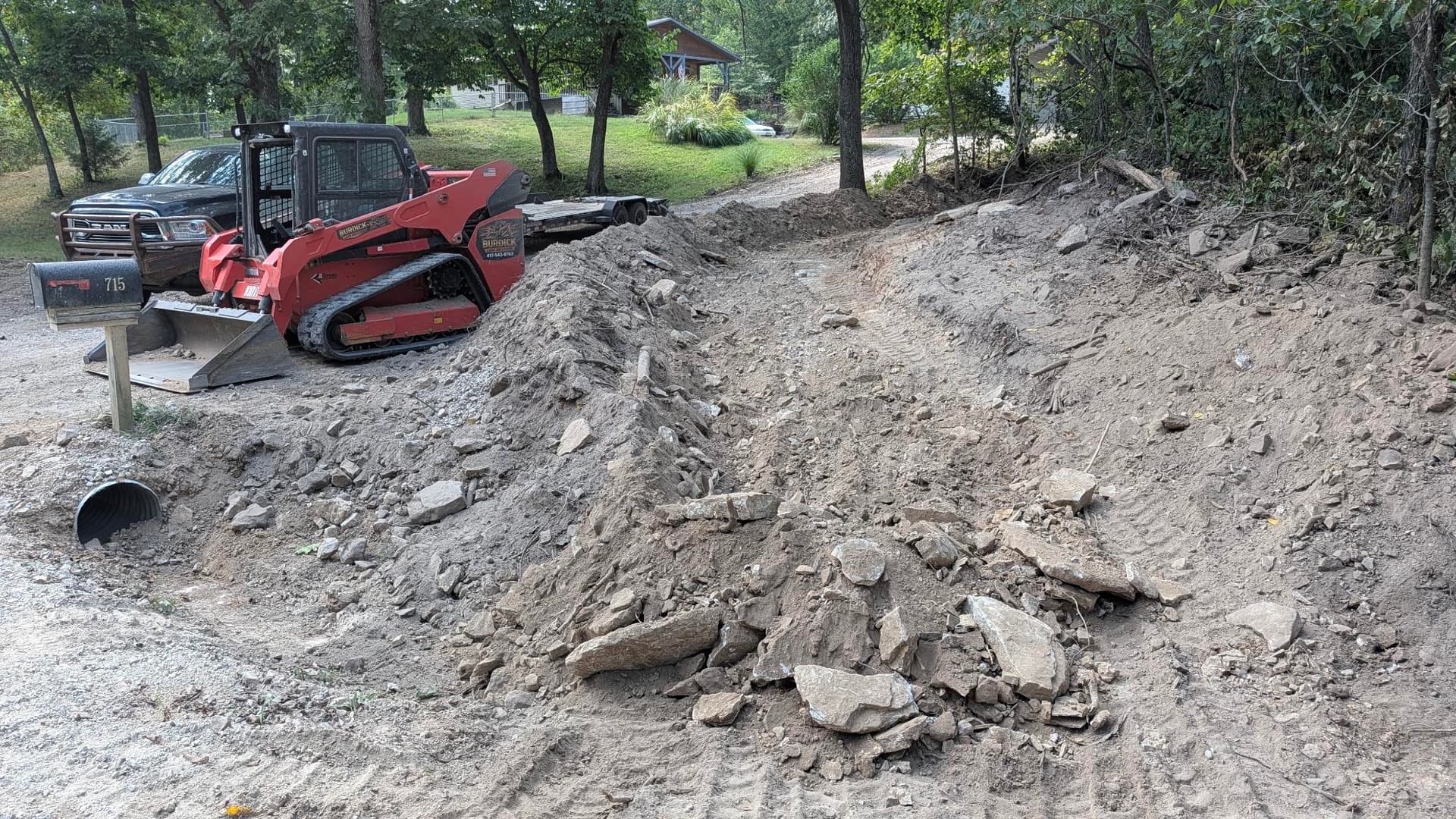
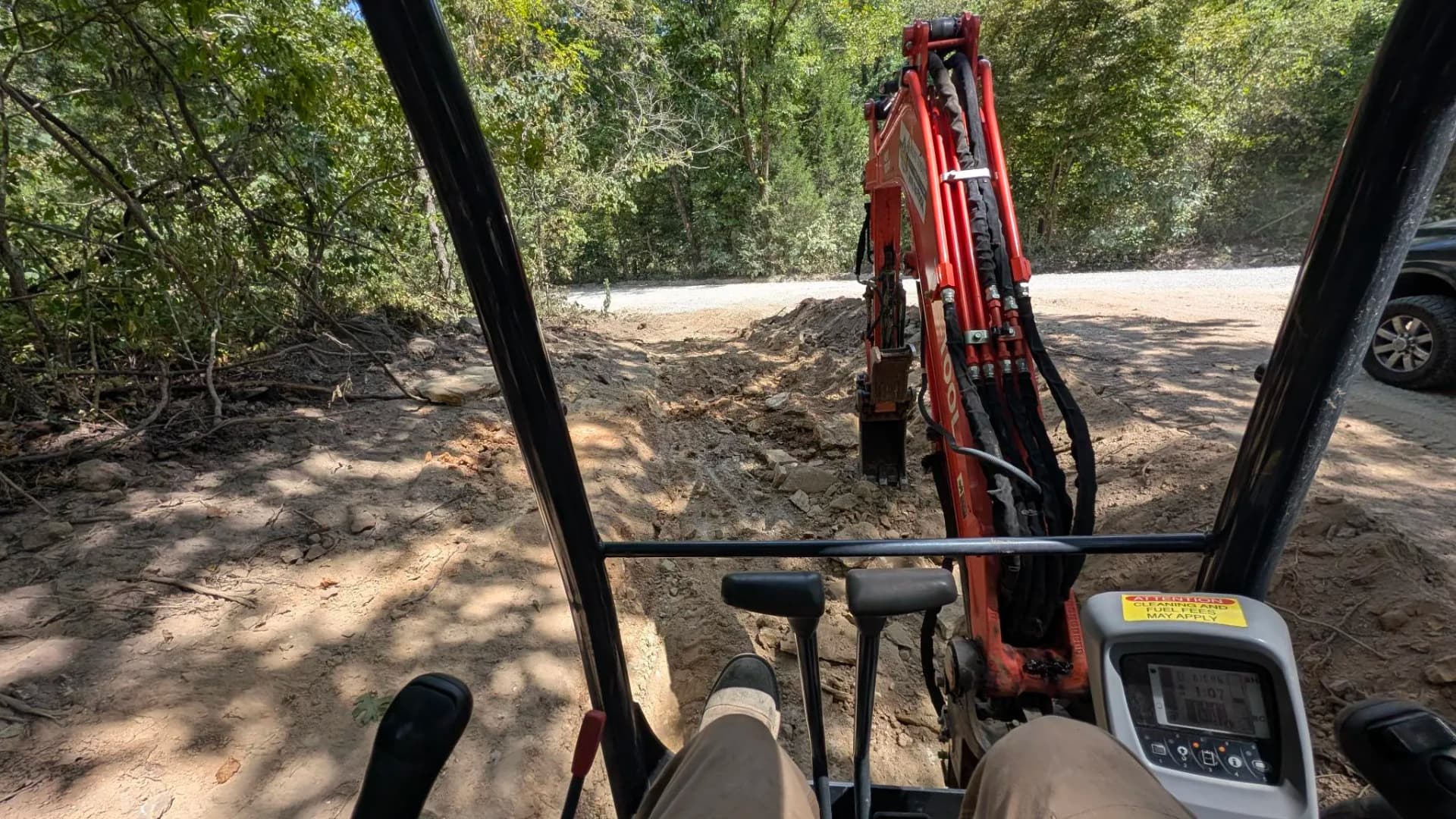
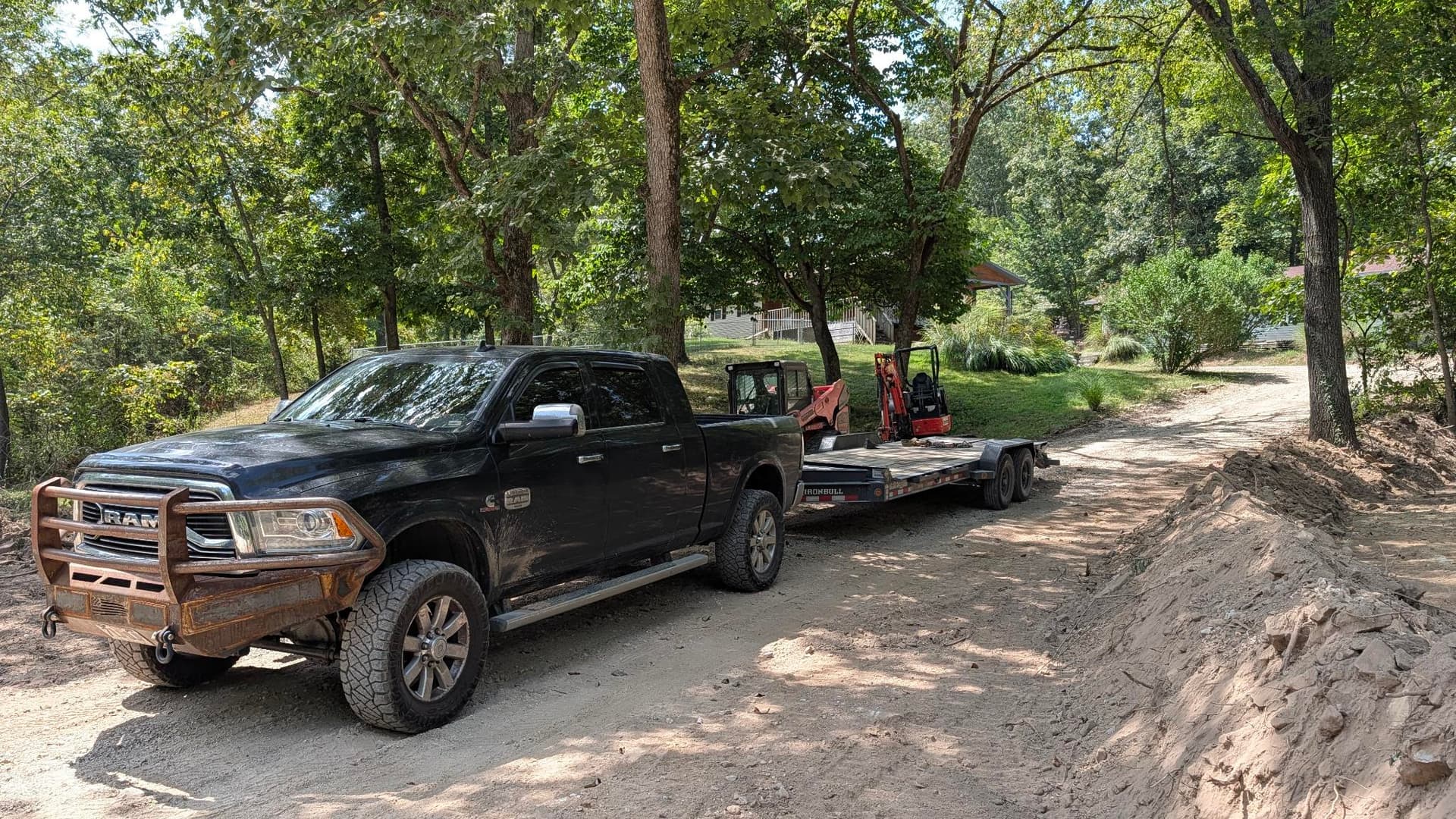
This one in Norwood had a real obstacle from the start - ledgerock sitting right where the water needed to go. Before we could even think about laying gravel or crowning the driveway, Jack had to bust through that rock to cut a proper drainage path. Water was running straight toward the driveway instead of off into the ditch where it belongs. That's the kind of thing that destroys a driveway fast if you don't deal with it up front.
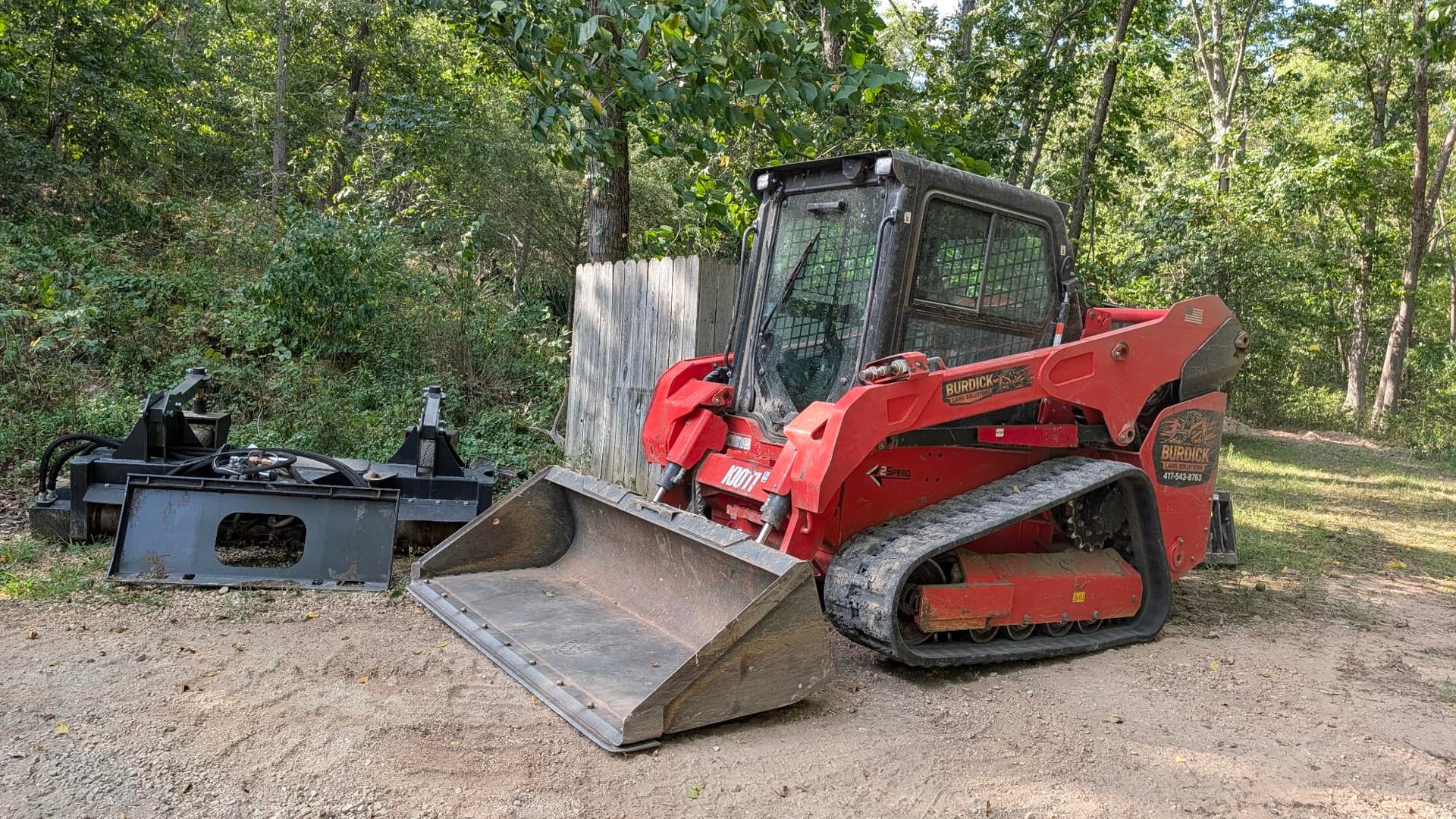
Site prep like this is where the real work happens. It's not glamorous, but skipping it is how you end up with a washed-out, rutted mess six months down the road. Breaking through ledgerock takes patience and the right equipment. We had the mini excavator working the edge while the track loader was staged and ready to move material once the channel was cut.
Once the drainage channel was properly carved out and the water path rerouted into the ditch, we moved into grading and crowning the driveway. Crowning is critical on a rural gravel driveway - it creates that slight center rise so water sheds off both sides instead of pooling in the middle. Get that grade wrong and you're fighting erosion every single rain.
After the crown is set, the gravel goes in and everything gets finished out clean. The whole process - ledgerock demolition, drainage rerouting, crowning, and gravel installation - has to happen in the right order or you're just putting gravel on top of a problem. That's what separates a driveway that holds up from one that needs work again next season.