Large Acreage Land Clearing with Forestry Mulching and Grapple Work
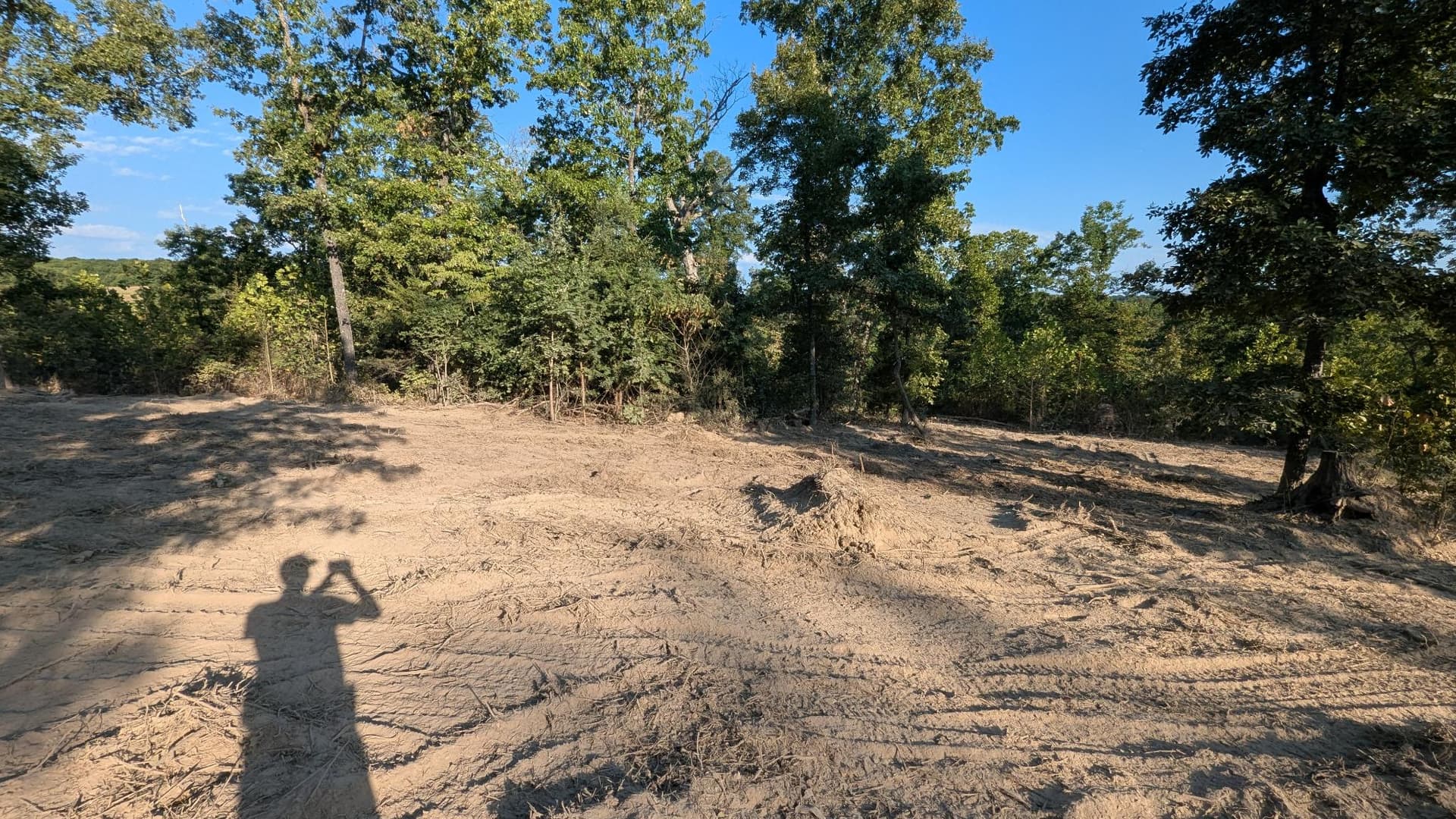
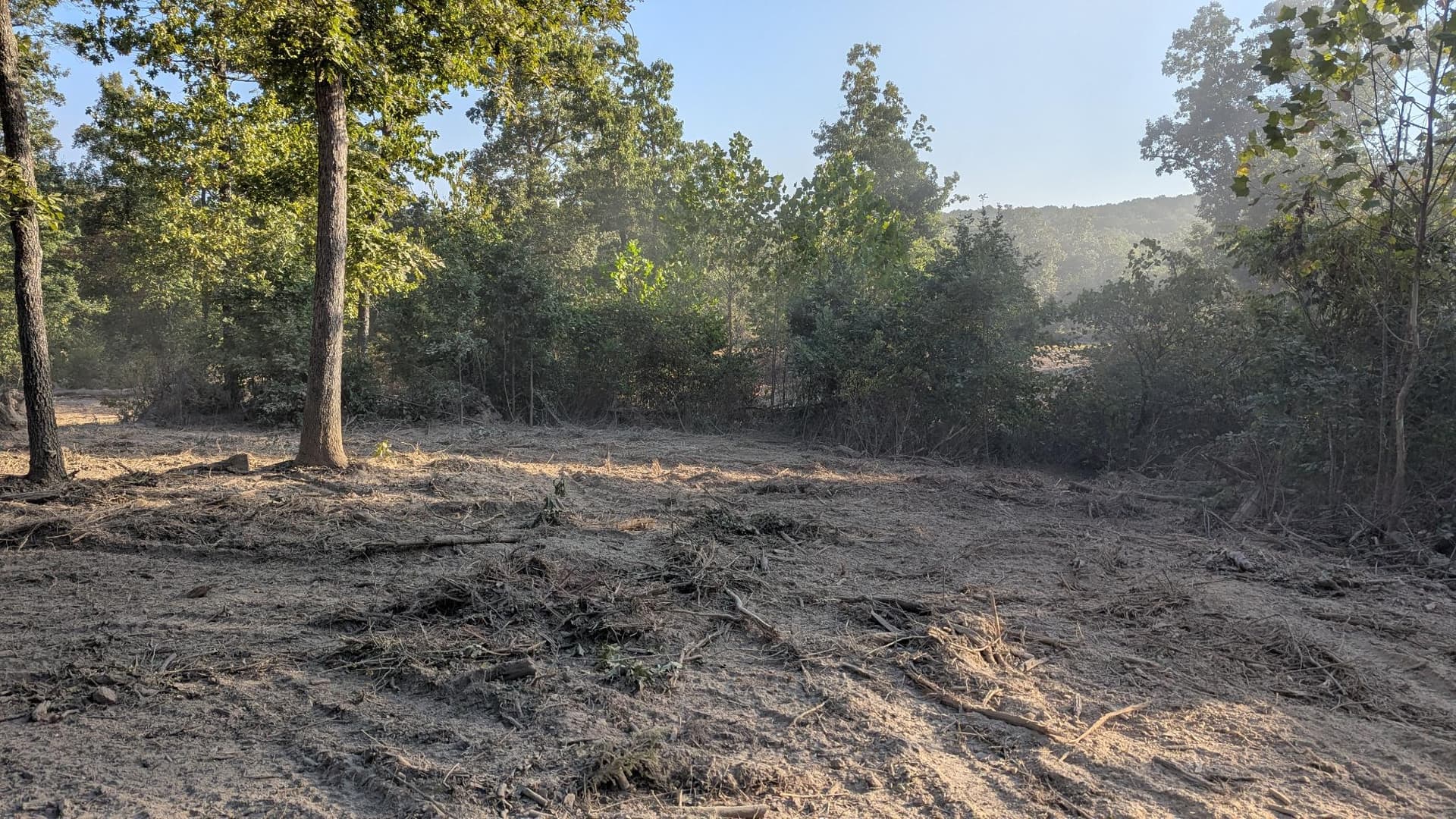
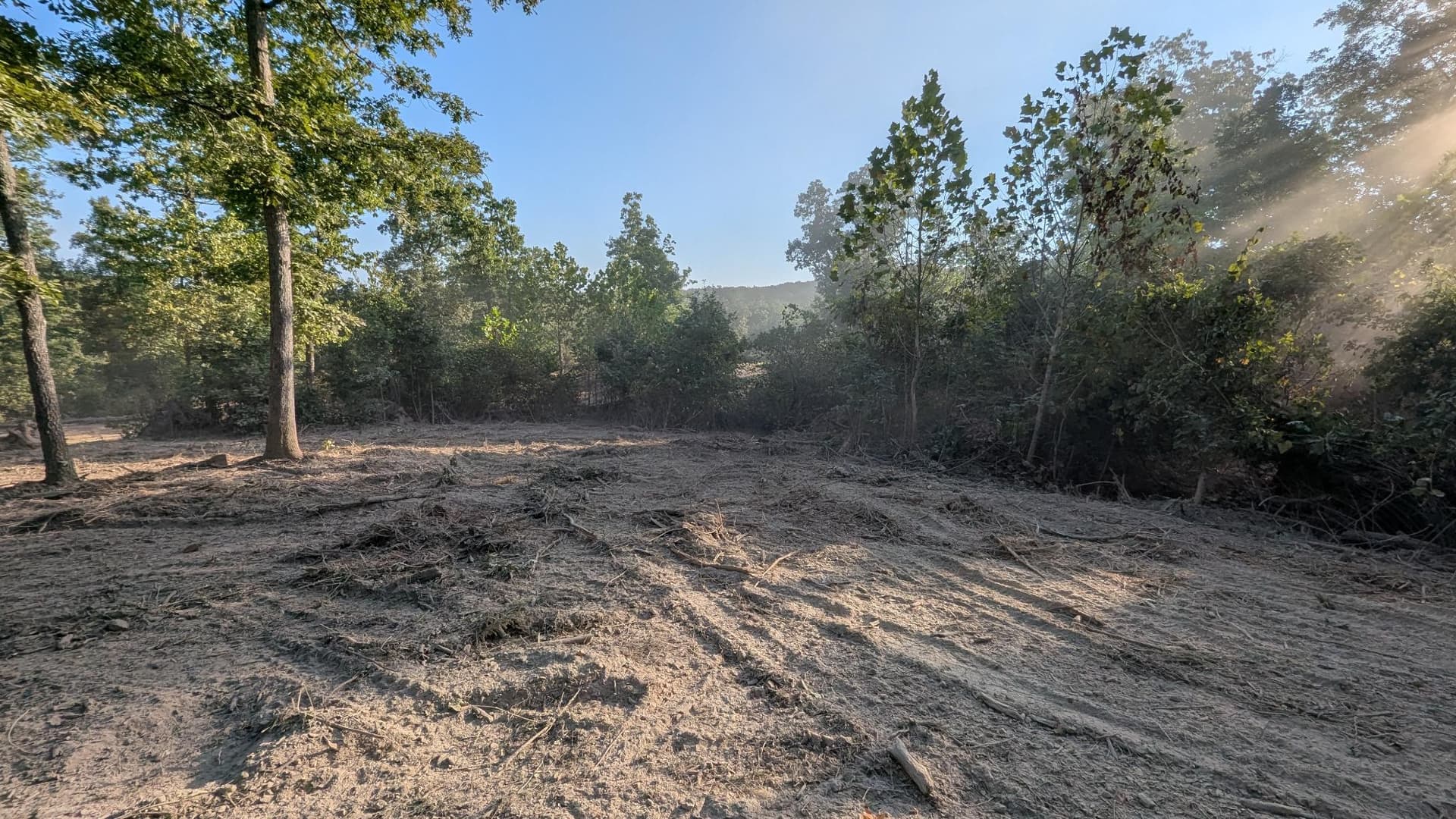
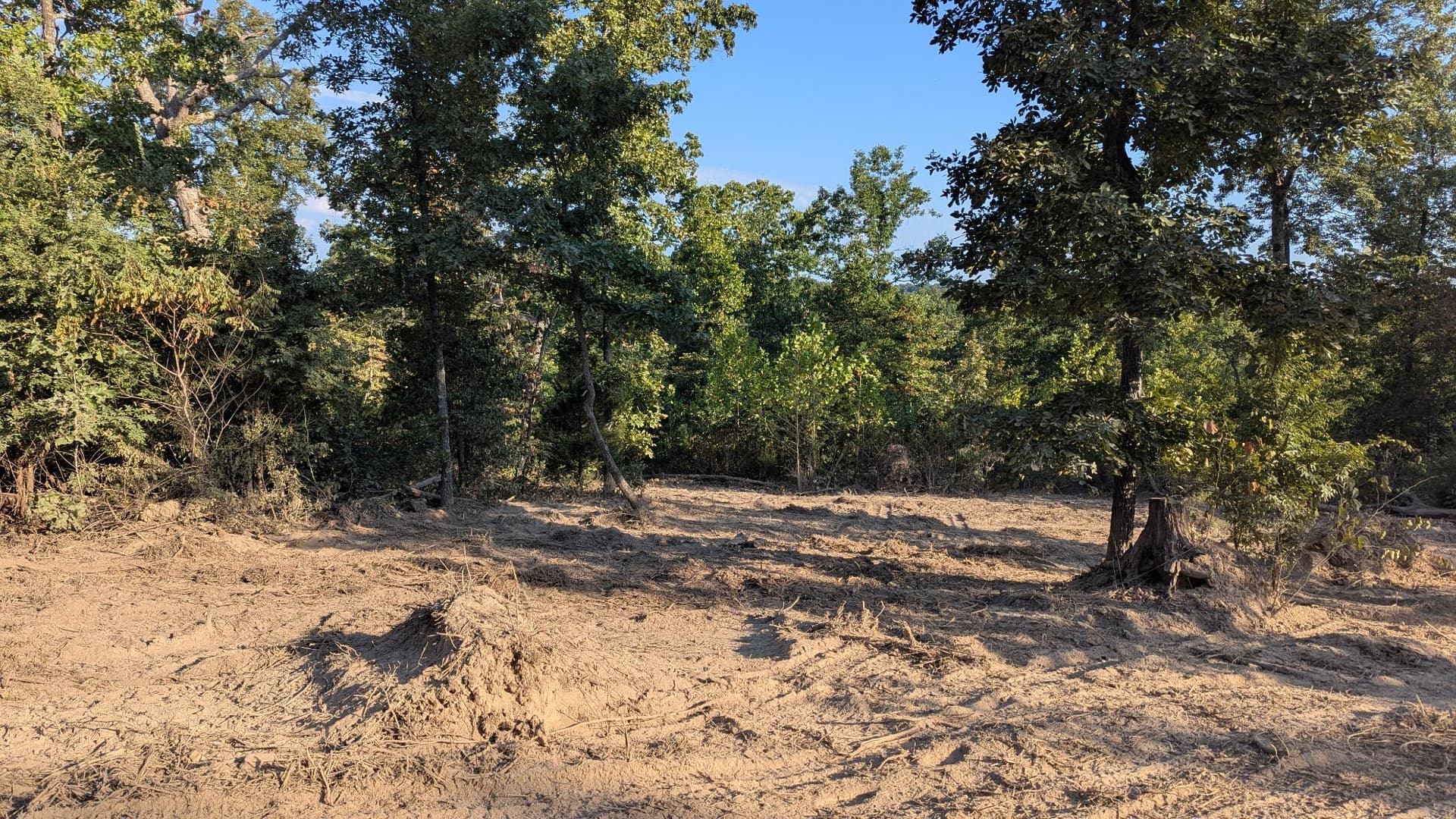
This was a big one. Large chunks of heavily wooded, overgrown land don't just disappear on their own - they take the right equipment, the right approach, and a crew that knows how to read the land. That's exactly what this job called for.
We ran a combination of forestry mulching and grapple work on this one. The reason we pair those two together on larger jobs is simple - the mulcher handles the dense brush, smaller trees, and ground-level material really efficiently. But when you've got heavier debris, downed timber, and root masses that need to be physically moved or stacked, the grapple does that work in a way the mulcher alone can't. Together, they're a hard combination to beat on acreage this size.
What you end up with is a cleared piece of ground that's actually usable. No burn piles sitting around for weeks. No hauling loads off-site. The mulched material stays on the ground and breaks down naturally, which is actually good for the soil. The grapple work handles what's left and keeps the site clean and manageable.
Jobs like this one are pretty common for landowners who've let a property sit for a while - or who just inherited wooded acreage and aren't sure where to start. The combination approach we used here is one of the most efficient ways to tackle that kind of work at scale. It keeps costs reasonable and gets the land ready for whatever comes next, whether that's building, pasture development, hunting plots, or just getting access back to the property.
Every piece of land is a little different, and that's what keeps this work interesting. But the goal is always the same - leave it better and more usable than we found it.