French Drain Assessment to Fix Water Issues Near the House
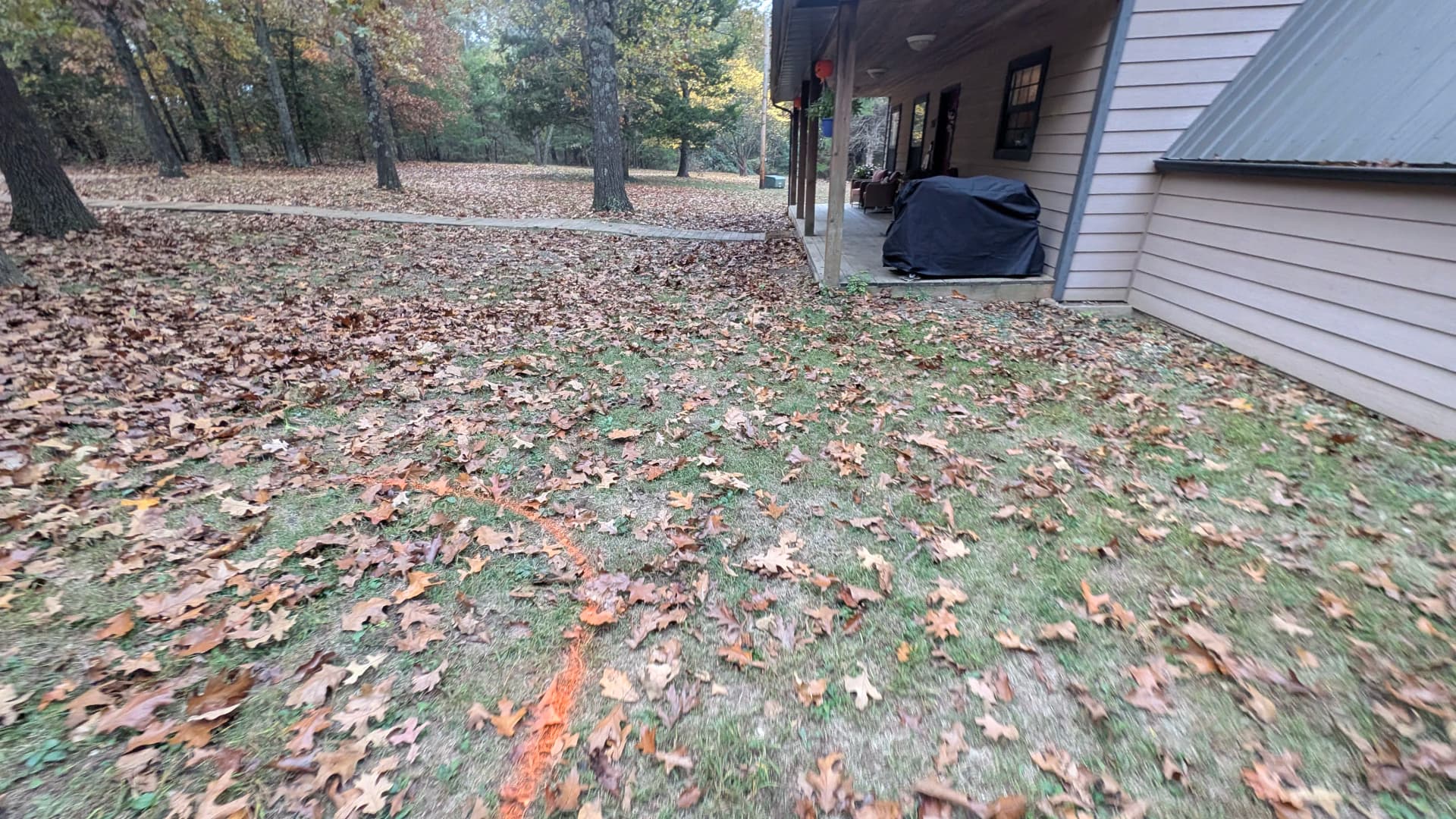
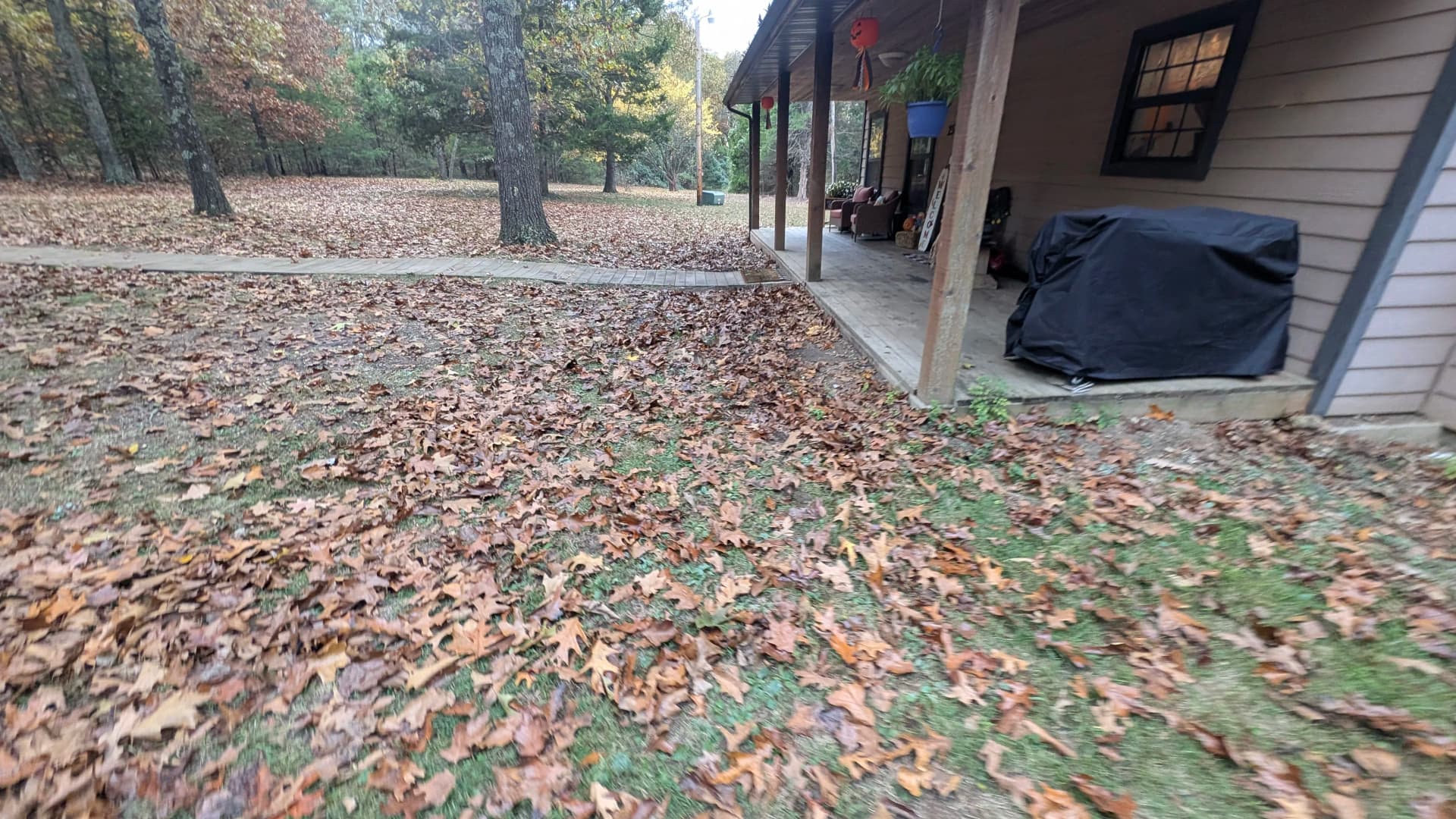
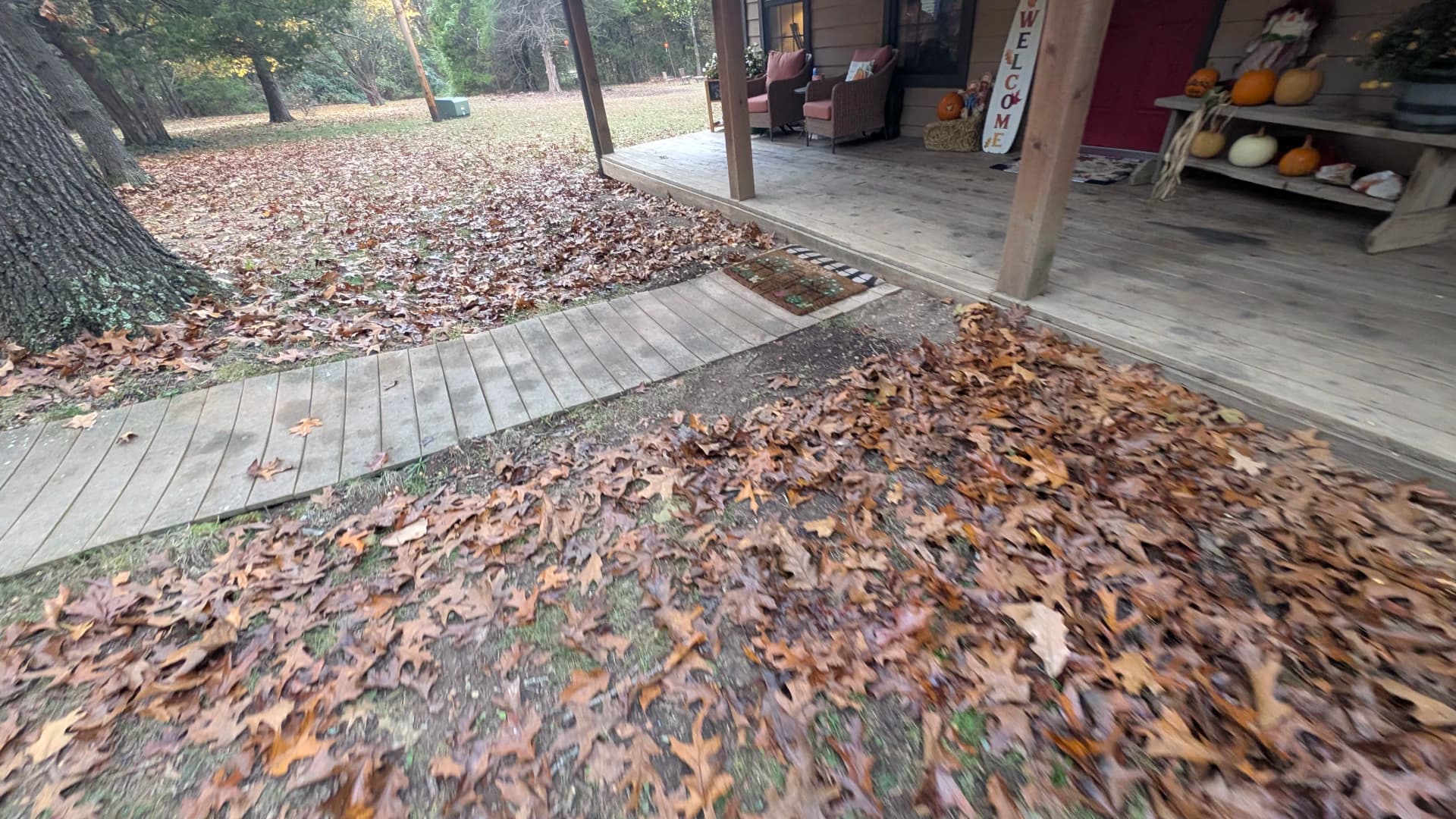
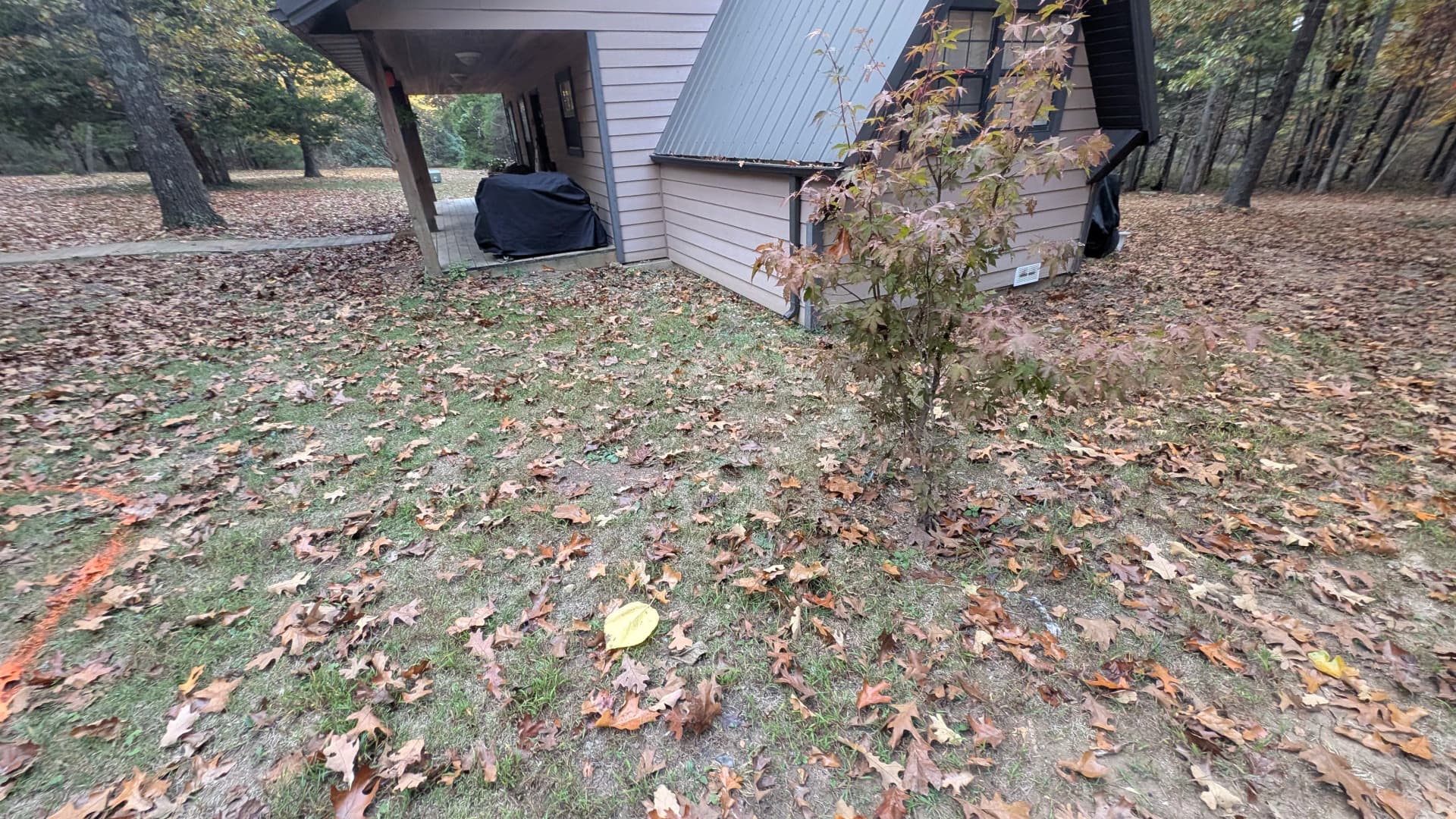
Water sitting near a foundation is one of those problems that feels minor until it isn't. Once moisture starts working against your foundation, your siding, and the soil grade around your home, the repair costs start climbing fast. A French drain is one of the most reliable ways to get ahead of it.
We were out doing a full assessment on a property that's been dealing with water moving toward the house rather than away from it. Walking the yard, you can read a lot from how the land sits - low spots near the foundation, areas where the grass thins out from too much saturation, and grade issues that send runoff in the wrong direction. That's exactly what we were evaluating here.
A French drain works by intercepting water before it reaches problem areas and redirecting it away through a gravel-filled trench with a perforated pipe at the bottom. Done right, it's largely invisible once installed - and it does its job quietly every time it rains. It protects your foundation, keeps your yard from turning into a soggy mess, and takes pressure off areas that take the brunt of runoff.
The goal of a site visit like this is to map out where the water is coming from, where it's going, and what path makes the most sense to move it somewhere safe. Every yard is different. Slope, soil type, proximity to the house - it all factors into how we design the solution. Getting that part right upfront is what separates a fix that lasts from one that just kicks the problem down the road.
If you've got standing water near your home, soggy patches that never seem to dry out, or water consistently moving toward your foundation after rain, that's worth looking at before it gets worse. Fall is actually a smart time to address drainage - the ground is still workable and you get ahead of winter moisture before it has a chance to cause real damage.