Forestry Mulching and Grapple Work Gets This Land Ready to Plant
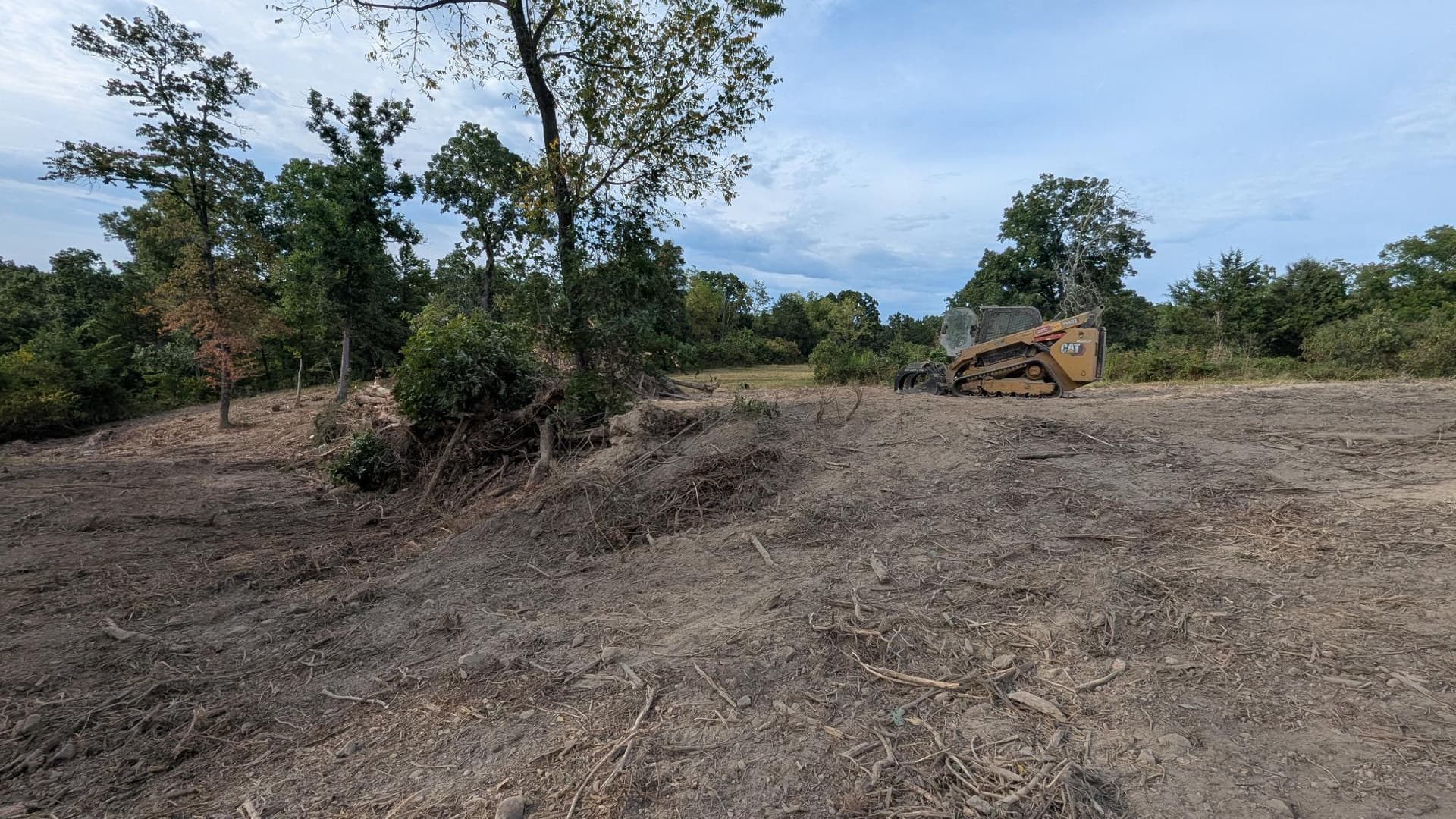
Forestry mulching gets the heavy lifting done - but there's always a cleanup phase that most people don't think about. Once the mulcher has worked through an area, you're left with excess debris, piles of material, and chunks of brush that need to go somewhere. That's where grapple work comes in.
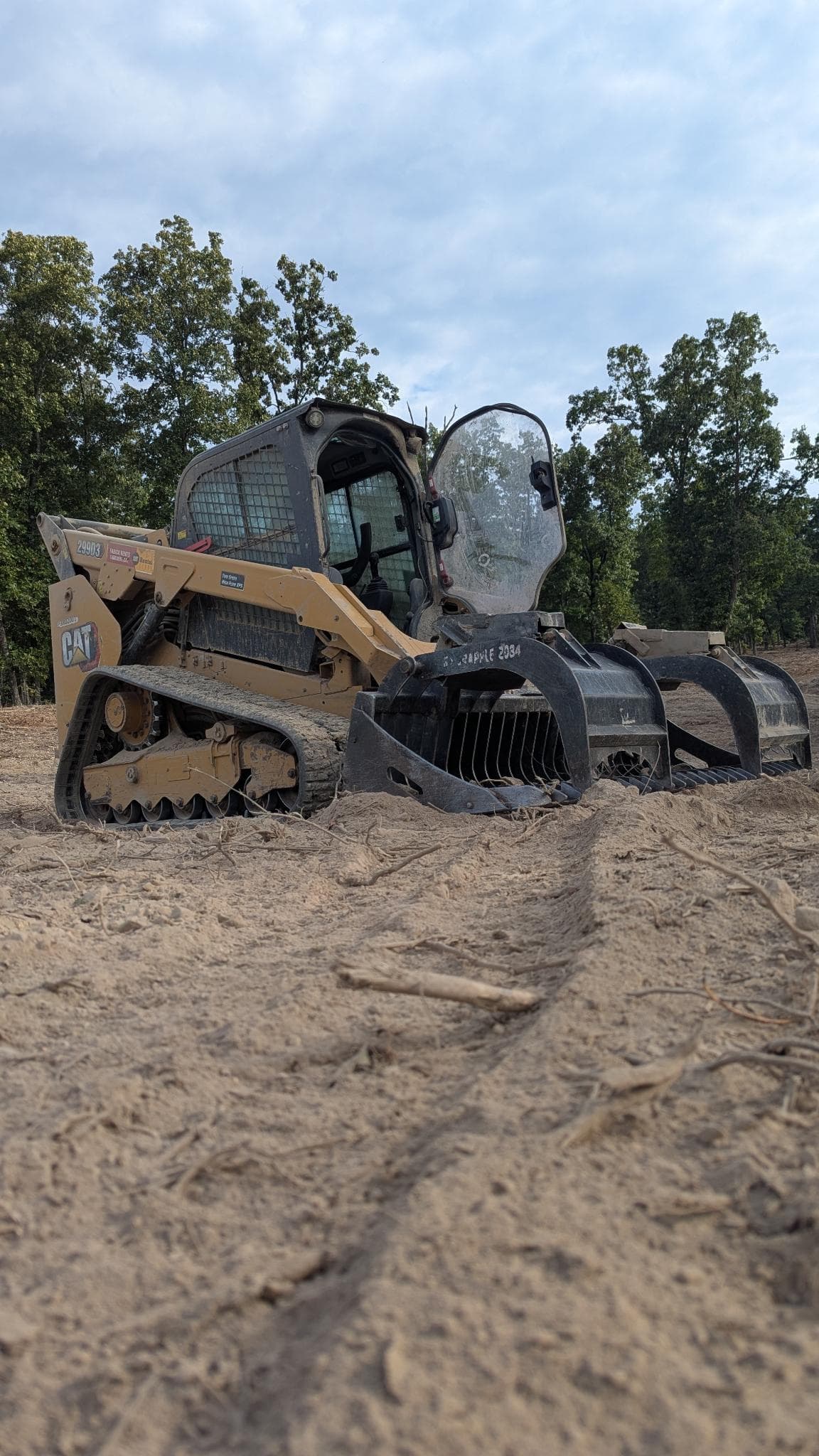
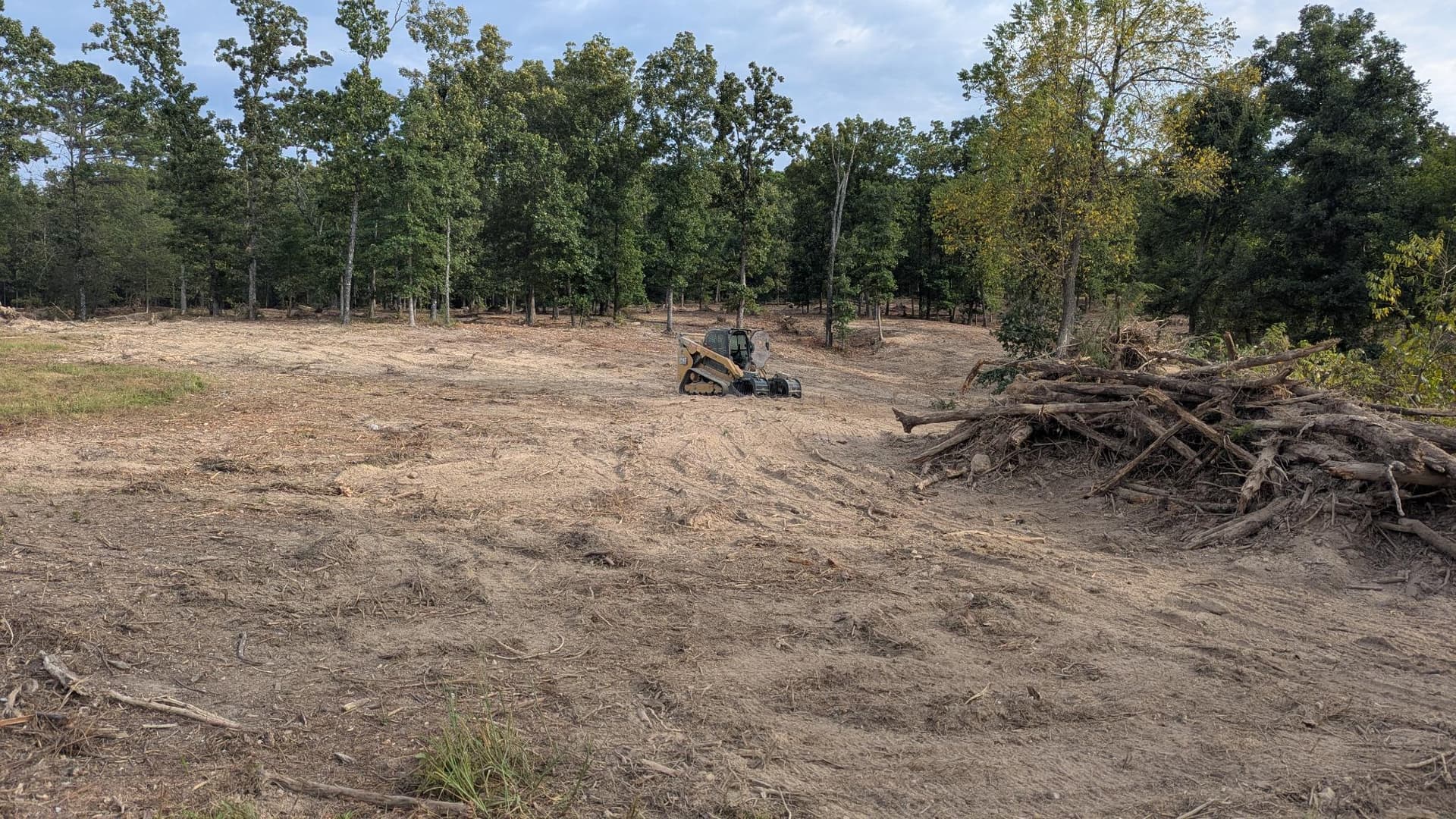
We spent a solid stretch of time this week running the grapple bucket on our CAT track loader, picking up all the leftover brush and debris from the mulching work and moving it into designated piles on-site. It's not the glamorous part of the job, but it makes a huge difference in the final result. Without this step, the ground stays rough and cluttered - not something you can seed or build on.
The grapple attachment is a workhorse for this kind of cleanup. It grabs, stacks, and moves material efficiently without disturbing the ground underneath. We can get precise with placement too - organizing piles in spots that make sense for the property owner's plans, whether that's burning later, chipping, or just keeping things out of the way.
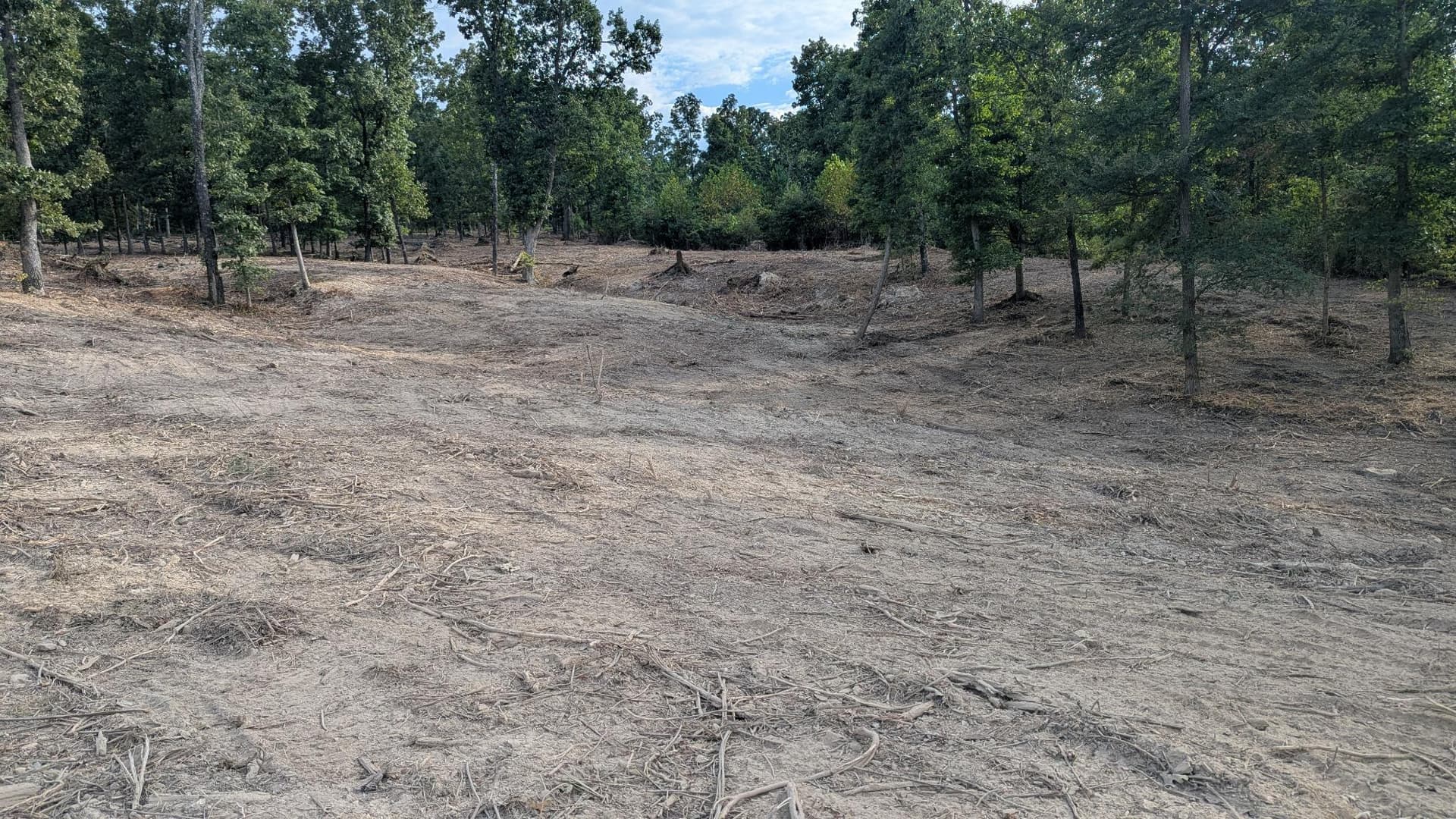
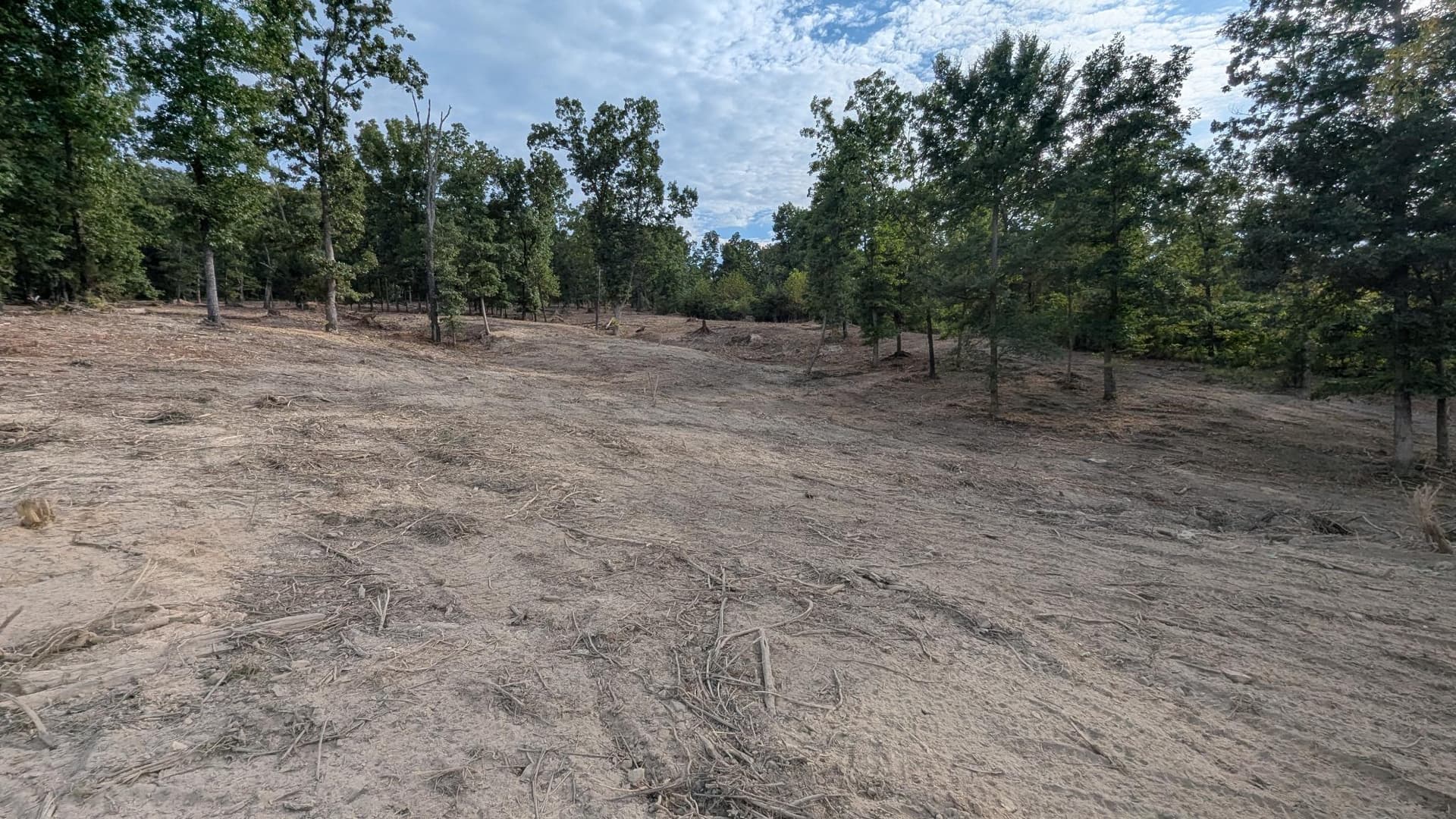
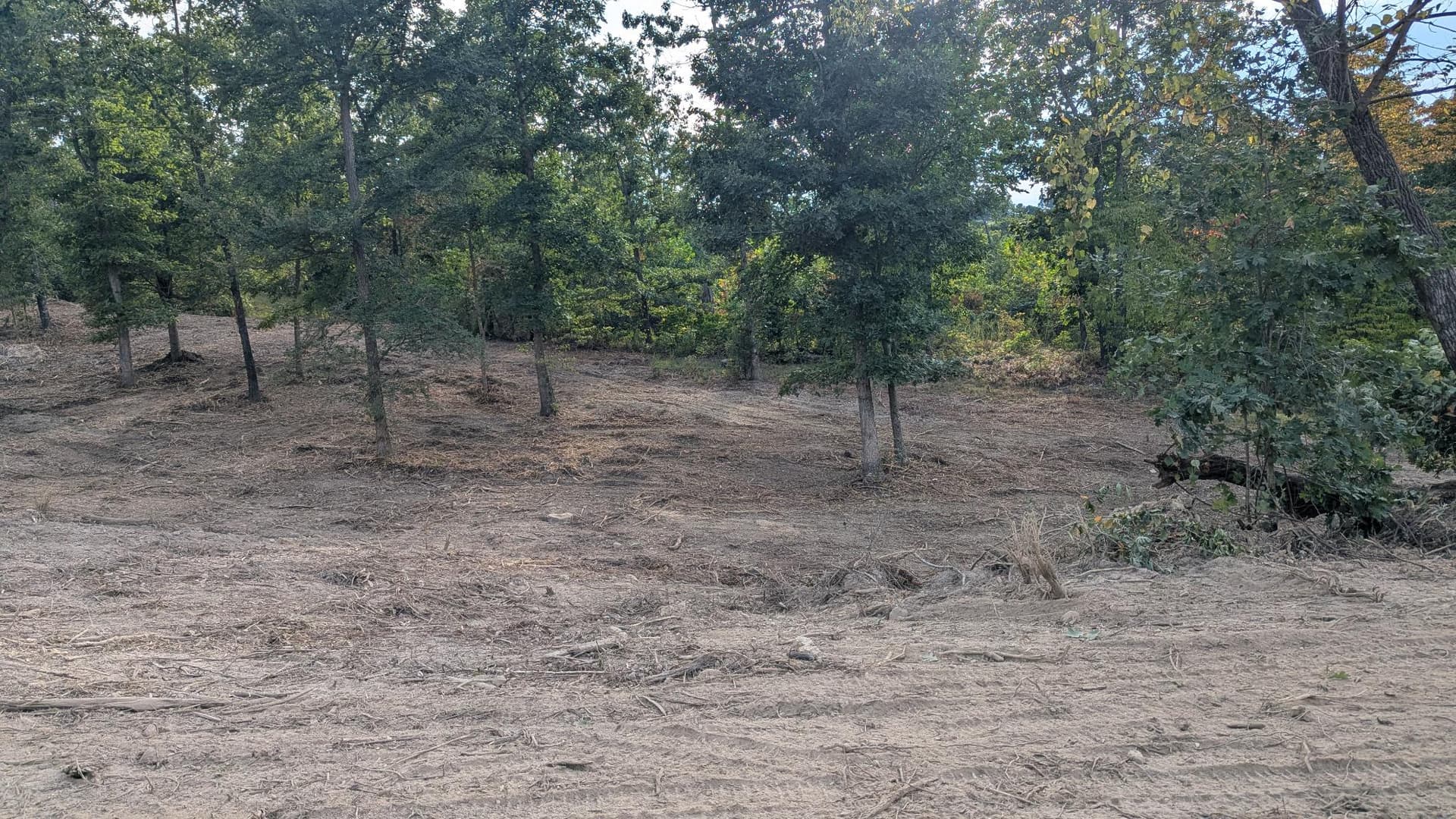
What we ended up with is a wide open stretch of ground with good soil exposure and the standing trees left intact and spaced out cleanly. This piece is genuinely close to being ready for seeding or planting. The combination of forestry mulching followed up with focused grapple work is one of the most efficient ways to take a brushy, overgrown piece of land and get it to this point.