Forestry Mulching Clears Overgrown Pond Banks for Better Water Flow
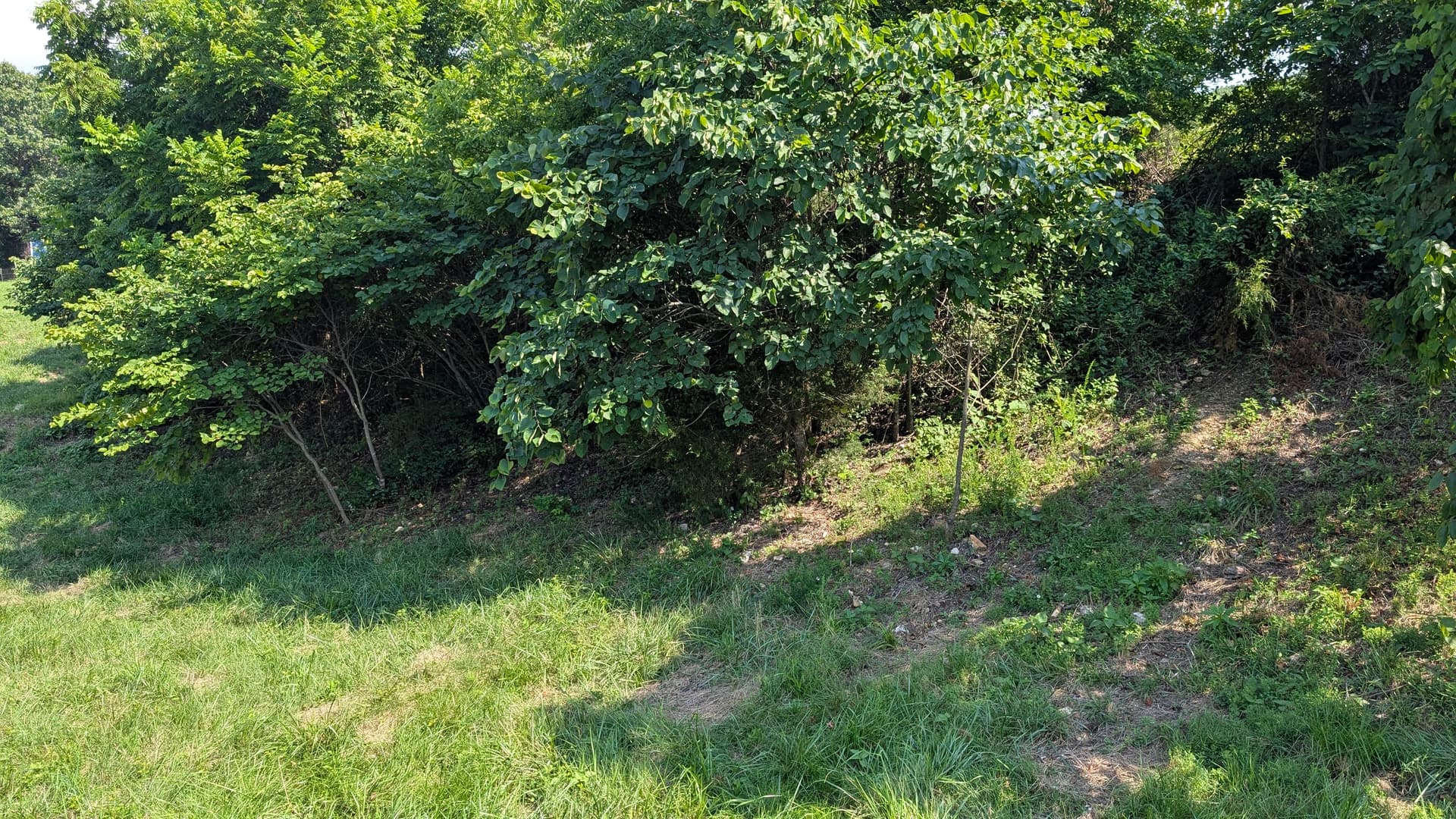
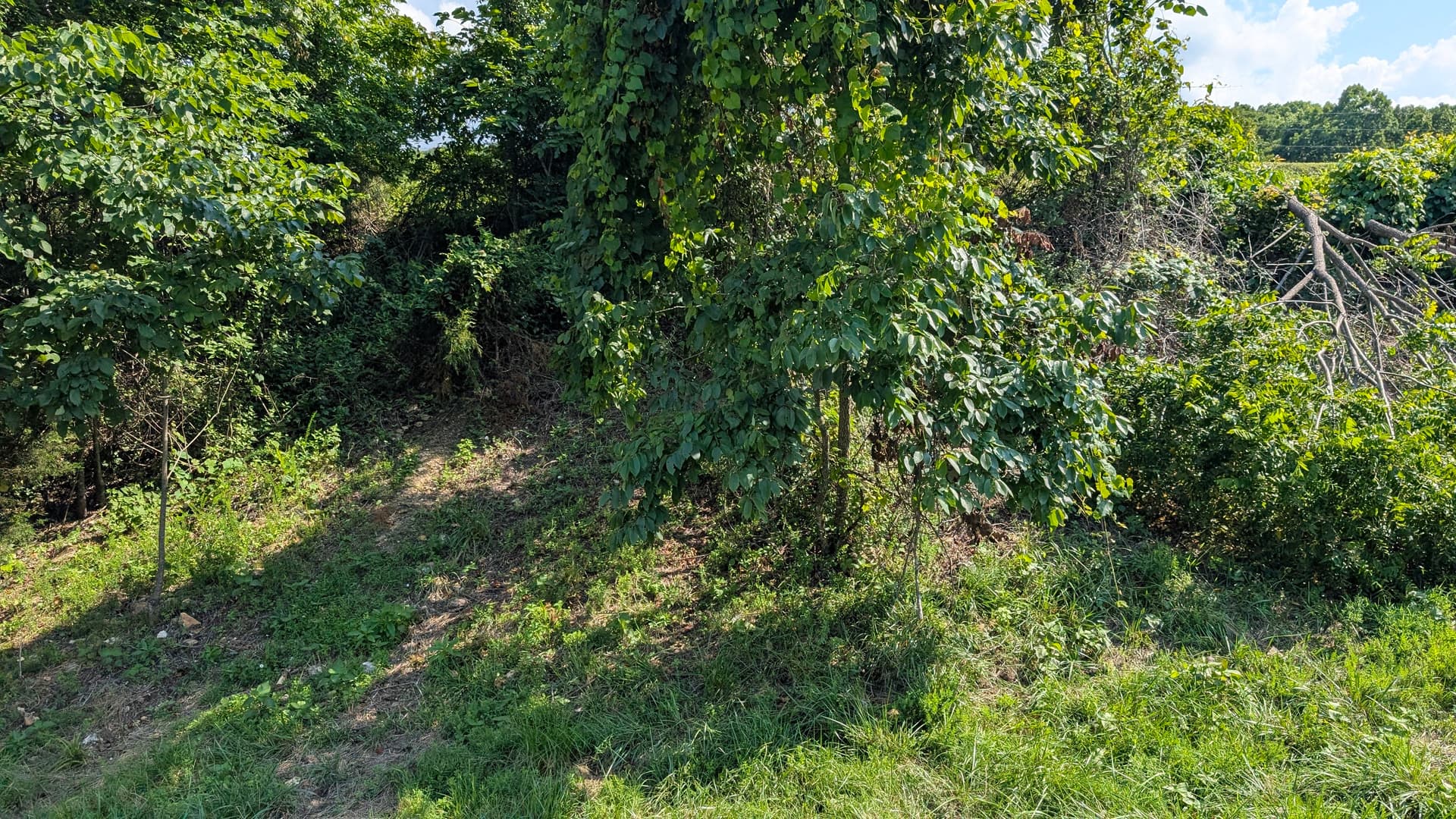
Pond banks have a way of getting out of hand fast. What starts as a few volunteer saplings and some thick undergrowth can turn into a wall of brush that crowds the shoreline, blocks access, and makes erosion a real problem. That's exactly the kind of situation we were dealing with here - dense brush and woody growth taking over a sloped bank that needed to be opened up.
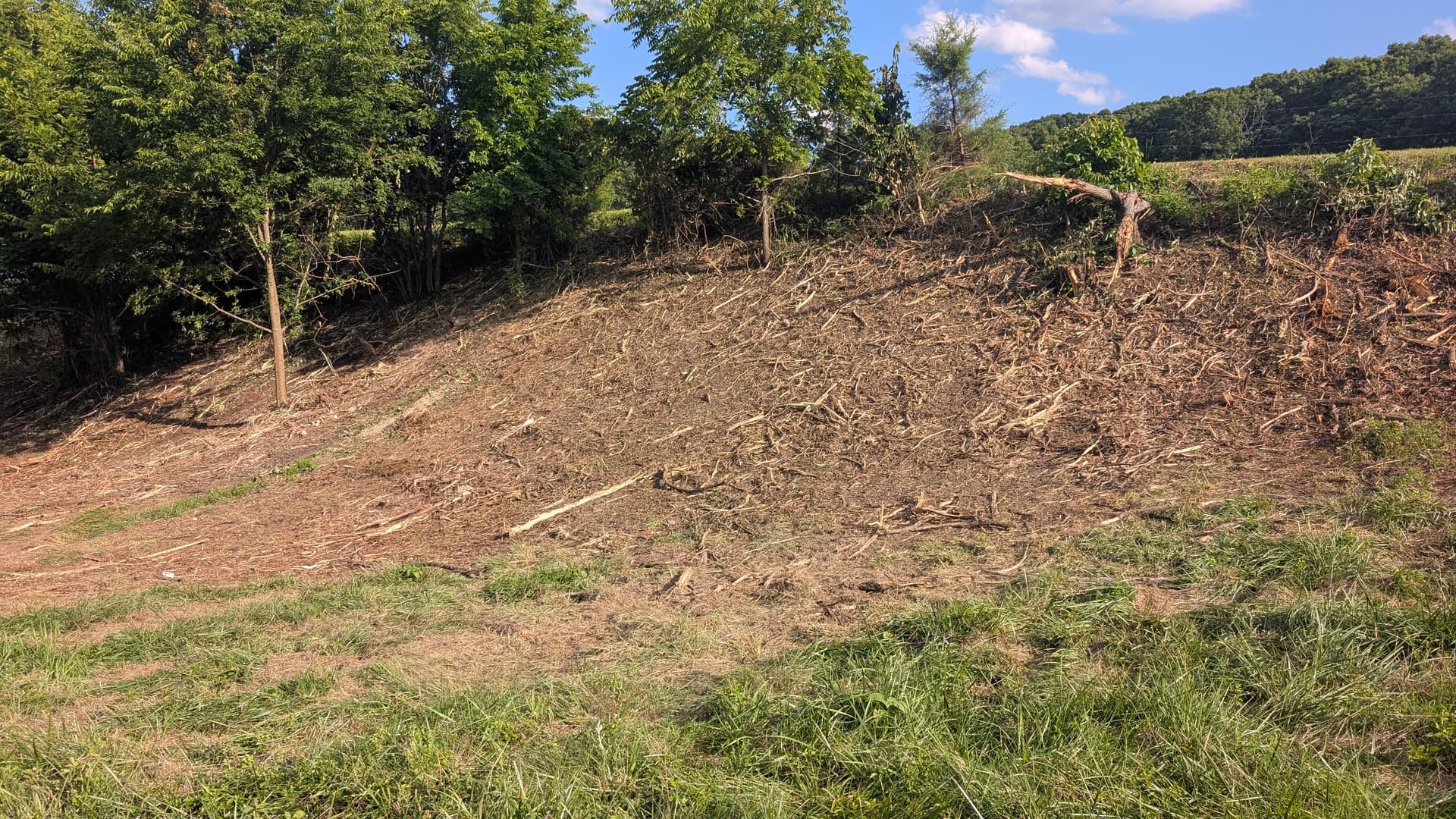
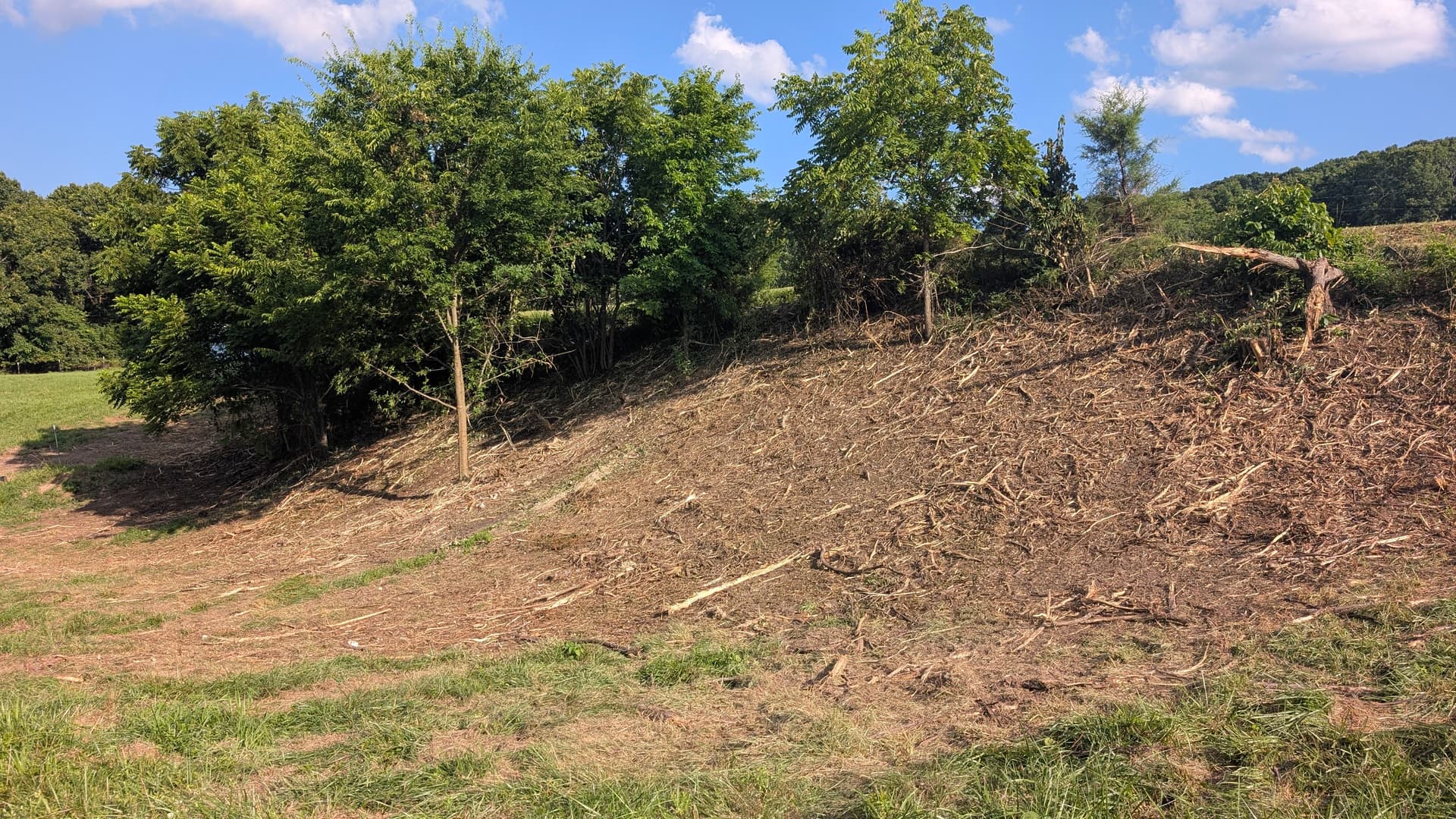
Forestry mulching is the right tool for this kind of work. Instead of dragging in excavators or hauling off piles of debris, the mulcher processes everything right on the spot - brush, saplings, vines - and leaves behind a layer of natural mulch that actually helps hold the soil in place. No hauling. No burning. No torn-up ground. The slope stays intact, which matters a lot when you're working near water.
That's the thing most people don't realize about bank clearing. You can't just go in with heavy equipment and start ripping stuff out without thinking about what happens to the soil underneath. Exposed slopes next to ponds erode quickly, especially after rain. The mulch layer left behind by forestry mulching acts as a natural buffer - slowing runoff and giving ground cover a chance to establish.
The difference between before and after speaks for itself. A bank that was completely inaccessible and visually blocked is now open, manageable, and set up to stay that way. Maintenance going forward is a fraction of what it would have been. And the shoreline is better protected now than it was when the brush was doing what it wanted.
If your pond edges are looking like the before shots here, brush clearing and forestry mulching are worth a serious look. It's one of those jobs where the right method makes all the difference - for the land, the water, and your long-term maintenance headaches.